


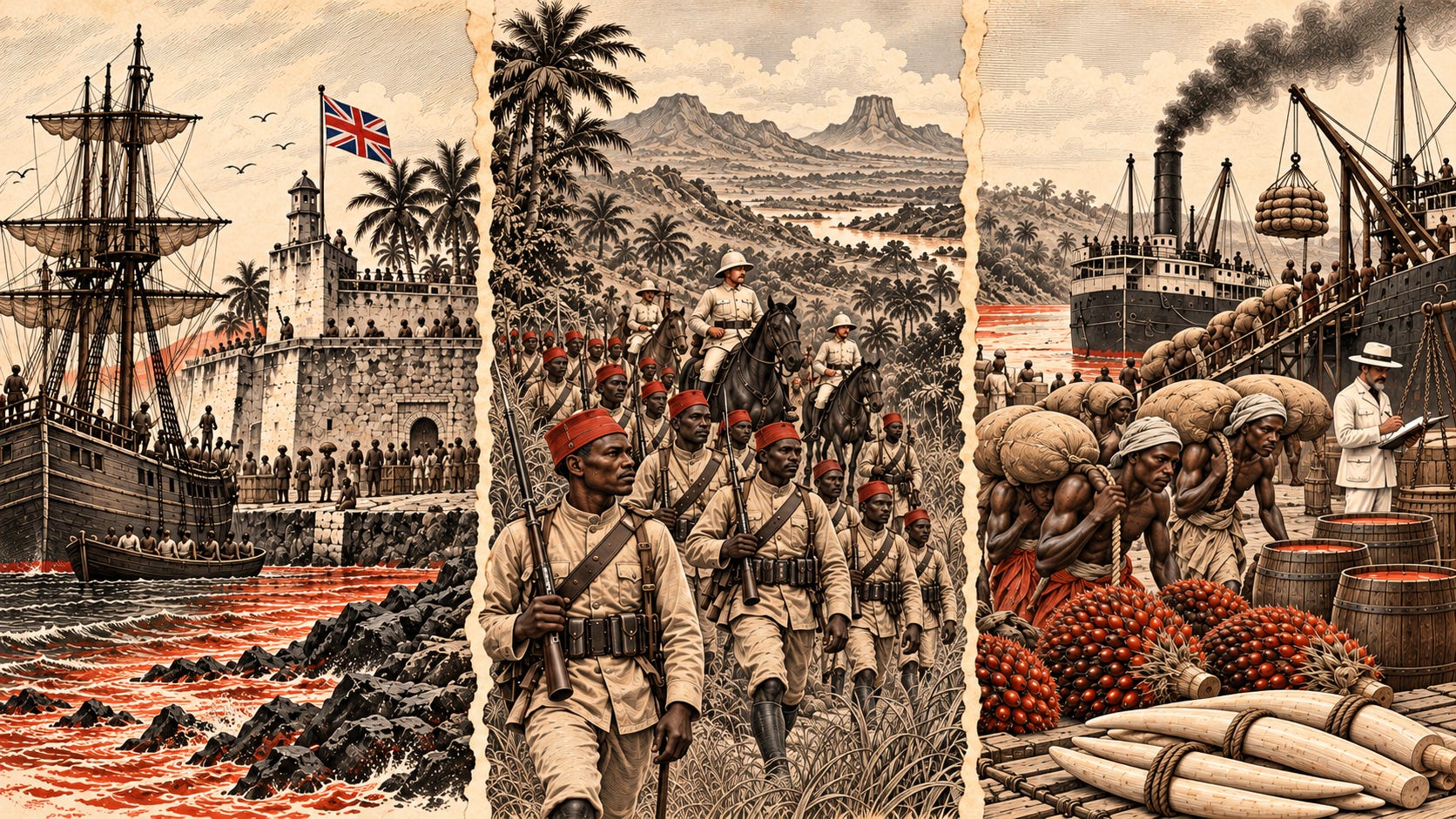
The transatlantic slave trade and Europe’s large-scale colonial conquest of Africa are often confused. But while the slave trade lasted for several centuries, the partition of the continent took place mainly in the late nineteenth and early twentieth centuries. The two processes overlapped and were closely connected.
This article explores the transition from the abolition of the transatlantic slave trade to the colonial conquest of Africa. It was a period when Europeans pushed beyond their coastal forts and gradually took political control of the continent. These years shaped not only Africa, but Europe and the Western world we live in today.
For hundreds of years, beginning in the early sixteenth century, transatlantic slavery played a central role in Western relations with West and Central Africa. Then, within a relatively short time, some began to regard it as an outdated institution.


The antislavery movement gathered momentum in the late eighteenth century, with campaigners in Britain and the United States at the forefront. Their numbers grew throughout the nineteenth century. Many made enormous, decisive contributions. William Wilberforce, Lucretia Mott, Frederick Douglass, Harriet Tubman, John Brown, Sojourner Truth, Benjamin Lay, and Olaudah Equiano are just a few of the many abolitionists.
The Enlightenment and Christian beliefs in the equal worth of all people are often cited as the main reasons why more white Europeans and Americans joined the movement. But many other factors were involved.
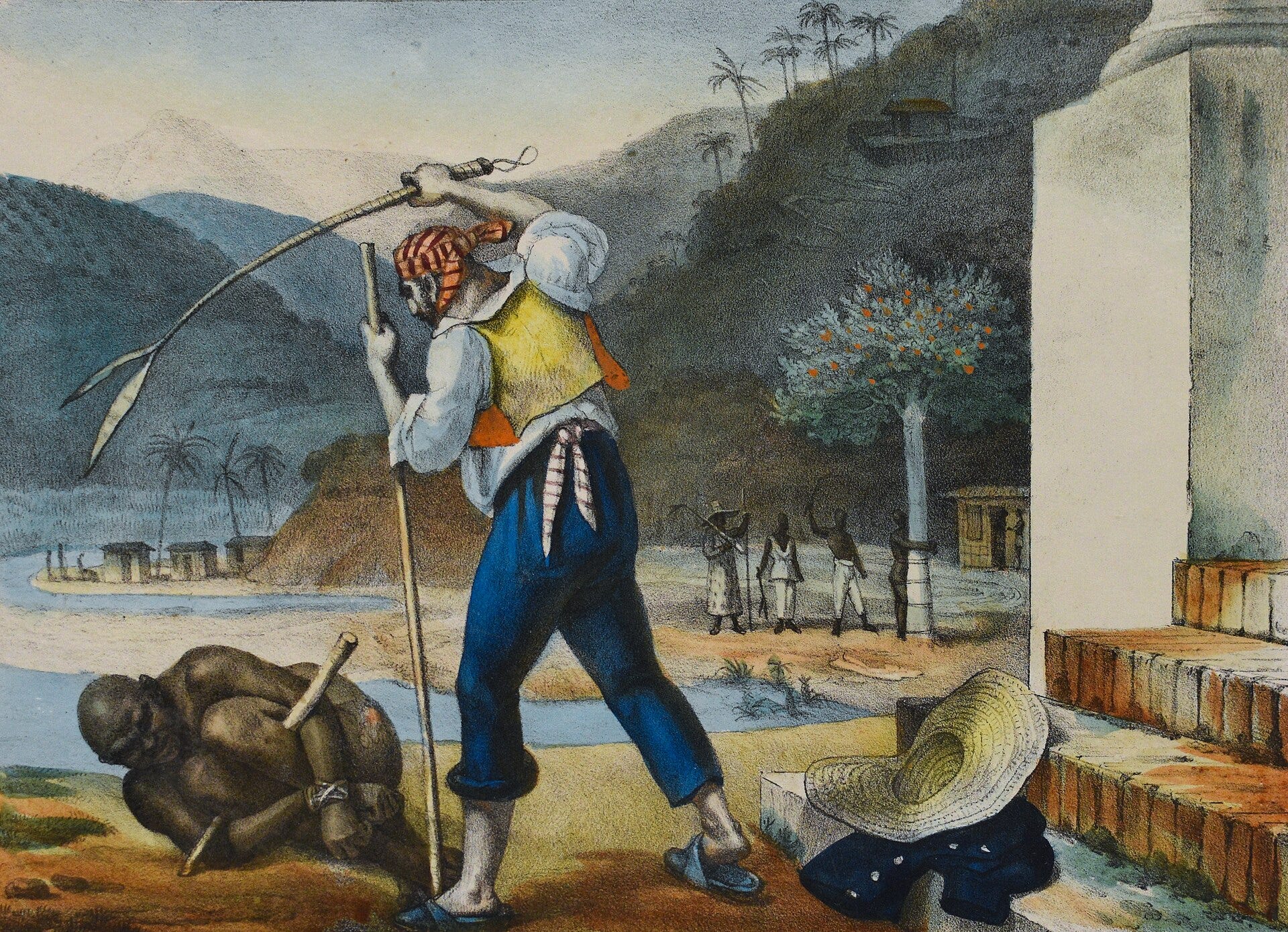
In A History of Modern Africa: 1800 to the Present, for example, the English historian Richard J. Reid writes that violent slave uprisings deterred investors. Enslaved people had always resisted at every stage: when they were captured in Africa, during the Atlantic crossing, and in captivity in the New World. Over time, however, uprisings became more frequent and more intense.
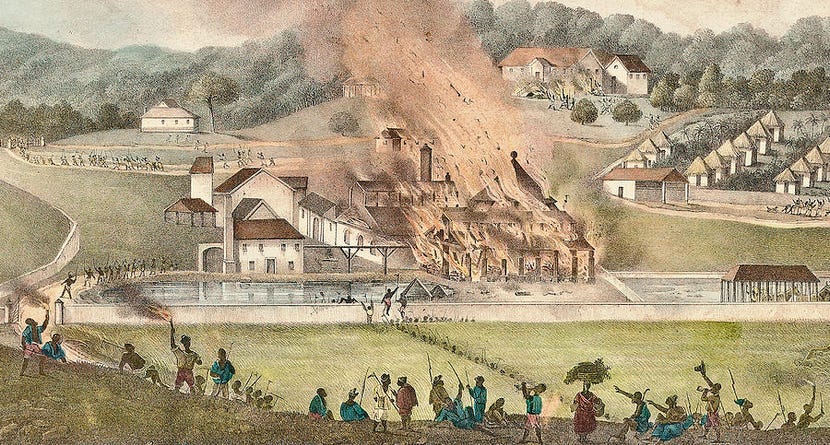
Revolts broke out across the Americas, from Brazil, Jamaica, and Guyana to South Carolina, Louisiana, and Virginia. Figures such as Tacky, Nanny of the Maroons, Samuel Sharpe, Charles Deslondes, and Nat Turner led often bloody rebellions that terrified the slave-owning class. Even Thomas Jefferson, the third US president, who himself enslaved more than 600 people over his lifetime, feared the divine punishment his country might face for its involvement in slavery. In his 1785 book Notes on the State of Virginia, he wrote:
“Indeed I tremble for my country when I reflect that God is just: that his justice cannot sleep for ever.”
In the most consequential of these uprisings, the Haitian Revolution of 1791–1804, the enslaved not only defeated and expelled the French from the Caribbean colony of Saint-Domingue, but declared an independent country: Haiti.
The destructive Napoleonic Wars also played a part. Fought in Europe but spilling over into the Americas, they disrupted intercontinental trade. Meanwhile, slavery’s economic advantages were being questioned in some quarters. A growing number of thinkers, policymakers, and industrialists began to suspect that the future lay in economies built on free but cheap labor.
As Western societies industrialized, a different kind of worker became more attractive. Enslavers had to provide food, shelter, clothing, and medical care, at least if they cared at all about the long-term health of their investment. They also had to pay the initial purchase price and the cost of preventing escapes. Employers who hired wage workers did not have to meet those costs directly.
Slavery remained central to predominantly agricultural societies such as the American South. But in some societies undergoing industrial change, including the northern United States, the argument that free wage labor was more efficient than slave labor gained ground.
As the sociologist Julia O’Connell Davidson writes in her 2015 book Modern Slavery: The Margins of Freedom:
“Wage labour is ultimately cheaper than slave labour, first because free workers work more diligently and more innovatively, and second because wages allow workers both to maintain themselves and to procreate, thereby furnishing the economy with the next generation of workers.”
This did not mean that industrialized societies stopped relying on enslaved labor altogether. The situation varied considerably from one region to another. Britain’s growing textile industry, for example, depended heavily on cotton still picked by enslaved people in the American South. Nevertheless, industrialization contributed over time to the end of transatlantic slavery by accelerating the shift towards a different kind of economy and workforce.
The West would increasingly look to Africa for something other than a seemingly inexhaustible supply of enslaved people. Its expanding industries needed raw materials, and Africa had plenty. Better still, Africa might also become a market for the goods Western factories would produce, partly from the very African resources they were seeking.
Abolition did not always mean freedom
The abolitionist movement gained further momentum in the early nineteenth century. A distinction was usually drawn, however, between the slave trade and slavery itself. Many countries banned the trade first, while slavery continued for years, often decades.
Denmark’s ban on the trade took effect in 1803, for instance, but slavery continued in the Danish West Indies until 1848. Sweden took steps to prohibit and criminalize the trade during the 1810s and 1830s, but did not purchase the freedom of the last enslaved people on Saint-Barthélemy until 1847. Britain banned the trade in 1807 and, with some exceptions, abolished slavery in 1834. Enslaved people over the age of six were nevertheless reclassified as “apprentices” and forced to work for their former masters until 1838.


Such transitional arrangements were common after abolition, among the French and the Boers as well as the British. Those affected were no longer called slaves. They were given other labels, such as engagés, but in practice, they were still subjected to forced labor. These transitions were often presented as being for their benefit: supposedly, they would help formerly enslaved people adjust to ordinary life.
The cost to Africa
For a long time, particularly during the founding of new colonies, transatlantic slavery boosted Western economies through unpaid, forced labor. For the African regions caught up in it, the consequences were devastating. Historians still debate the precise effects, a task complicated by the lack of reliable figures for those regions’ economies and populations before the slave trade. But there is no disputing the devastation it caused.
Some areas, including parts of present-day Angola, suffered substantial depopulation. Elsewhere, birth rates fell. The seemingly endless international demand for enslaved people fueled existing conflicts between African states and provoked new ones. Some kingdoms involved in the trade went to war against weaker neighbors so they could sell their inhabitants. The introduction of European firearms provided another incentive to join the trade.
A society without firearms could become a target if a neighboring kingdom possessed them. Some rulers concluded that their best defense was to attack a third population, sell captives, and use the proceeds to acquire the guns they needed to protect their own borders. This generated further wars, which in turn produced more refugees and prisoners who could be sold into slavery.
This cycle helps explain how the transatlantic slave trade lasted so long. The economic and strategic advantages Europeans offered were generally more important in securing African participation than threats of European violence, although there were exceptions, notably in Angola.
By this point, unlike the period before the slave trade, a wide technological gap had also opened up between sub-Saharan kingdoms and Western states. West and Central African kingdoms generally experienced little economic development during the centuries of slavery. Some were deeply involved in the trade, but its proceeds were distributed unevenly, usually ending up in the hands of a small elite. Those who claimed the right to sell people were mainly kings, local rulers, aristocrats, and merchants.
The class dimension of the slave trade is sometimes overlooked. Ordinary Africans, who made up the majority of the population, largely missed out on its profits. Some of the elites who benefited had become so dependent on the revenue that they opposed abolition. Many African societies, however, welcomed the bans.
Another serious consequence was the loss of a substantial share of the working population: young, able-bodied people had been shipped across the Atlantic. There, their forced labor contributed to production in places such as the United States, Brazil, and Jamaica.
Outlawed, but not over
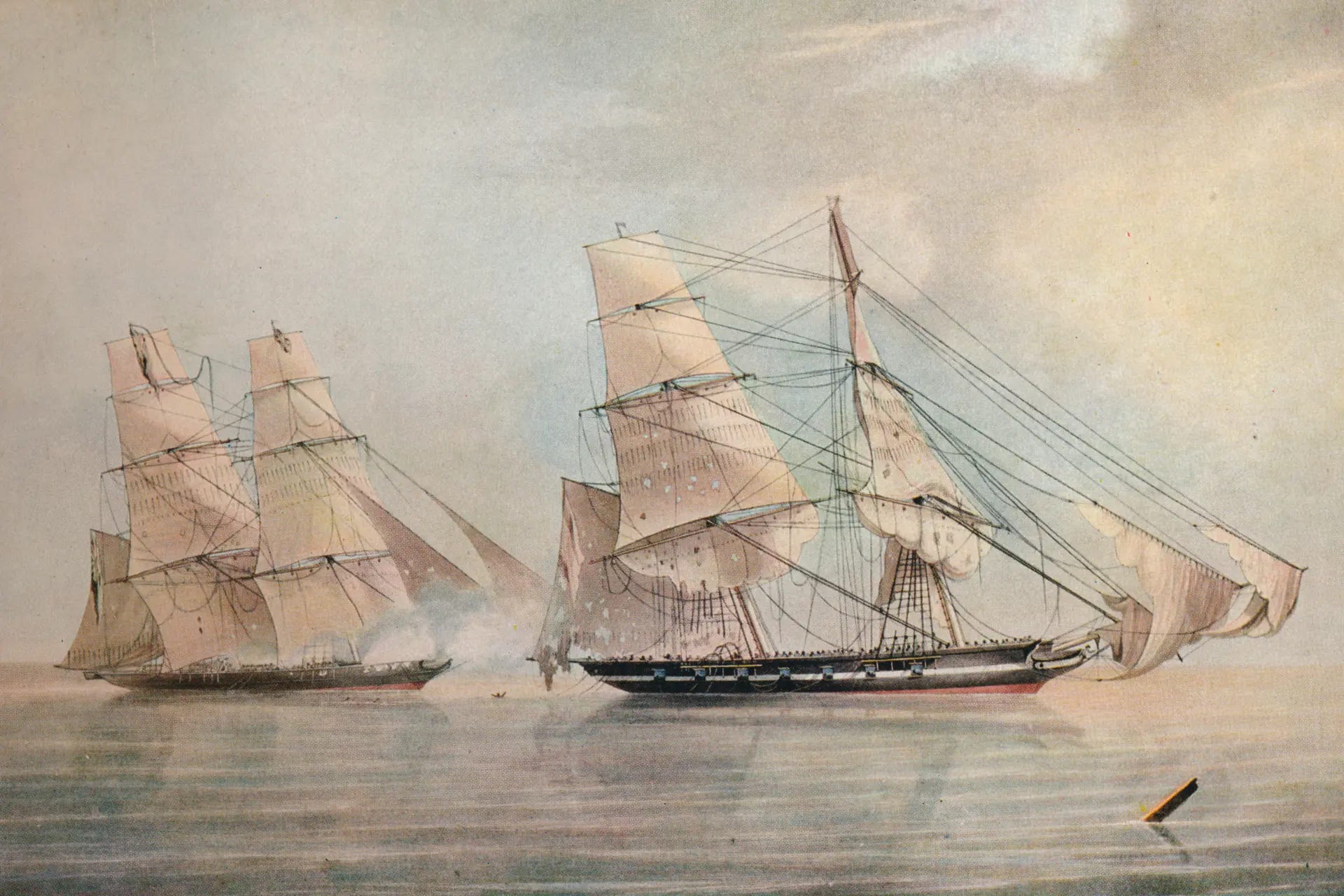
As more countries introduced bans, the slave trade continued illegally. Among those trying to stop it was the Royal Navy’s West Africa Squadron, tasked with patrolling Africa’s western coast. It was an expensive undertaking, with too few ships to cover such vast distances effectively. Even so, the squadron is thought to have freed around 150,000 enslaved Africans. Nearly 3.5 million Africans were transported across the Atlantic during the nineteenth century.
Britain also put diplomatic pressure on countries still involved in the trade. Some agreed to its demands. Others openly resisted or promised to stop the shipments while allowing them to continue in secret.
Britain’s efforts to suppress the illegal slave trade cost money and lives. These efforts are sometimes invoked to downplay its earlier involvement. But both facts can be true: Britain helped suppress a trade in which it had previously played a leading role. British ships transported more enslaved Africans across the Atlantic than those of any other country except Portugal and Brazil combined.
Over time, more countries in Europe and the Americas abandoned both slavery and the slave trade. From the 1820s onwards, millions of Europeans also emigrated to North and South America. Many were willing to work for low wages. In some places, these immigrants offered a clear alternative to enslaved labor and helped bring about the transition.
By the late nineteenth century, the transatlantic slave trade had almost entirely ceased. Brazil and the Spanish colony of Cuba were its last major destinations. The trade to Brazil was suppressed from 1850 onwards, while the last known shipments to Cuba arrived in 1867. Slavery itself was abolished in Cuba in 1886 and in Brazil in 1888.
‘Legitimate’ commerce, enslaved labor
To replace the income from slavery, Westerners began talking about “legitimate commerce”. The word “legitimate” did not imply fair or free conditions of trade or labor. It simply meant that the trade would now be in goods. In place of people, increasing quantities of rubber, palm oil, ivory, copper, groundnuts, and beeswax would be produced or extracted in Africa and exported.
For this to happen, the continent had to be “opened up” to Westerners. An article published in the Swedish newspaper Göteborgs-Posten in June 1878 reported that “the great nations have begun the work of opening up the unknown continent”. It identified the mouth of the Congo River as “the route that appears to deserve the first and most serious consideration” for access to the African interior. The article cited the recommendations of a European explorer in the region:
“He urges England, Portugal or some other strong power to take possession of the area as soon as possible and regulate commerce, both for the immense profit that must result and to put an end to the traders’ conflicts and the Negroes’ villainies along the lower reaches of the river.”
Further down, the article explained the purpose of “opening up Africa”:
“Possession should, however, be taken primarily to control this important gateway to the route by which Central Africa can probably be opened most directly, swiftly and extensively to exploration and legitimate commerce, and thereby to civilization. For this is, and must become, the goal of future endeavors.”
In a conclusion that reads as tragically ironic today, the unnamed writer declared that the “powerful forces” rallying “under the raised banner of humanity” meant that “Central Africa’s prospects now appear bright”.
Sweden was never a major player in the colonization of Africa in the nineteenth and twentieth centuries. Still, the way the papers wrote about it shows how widely accepted ideas of African subjugation were in the West.
Ironically, “legitimate” commerce increased slavery within Africa. Roughly four centuries of transatlantic slavery had made it central to the economies of many West and Central African kingdoms and societies. Some rulers believed enslaved labor was needed to meet the enormous international demand for “legitimate” goods: to grow, extract, and transport them, and to feed expanding local populations recovering from the transatlantic slave trade. In A History of Modern Africa, Richard J. Reid describes what followed:
“European humanitarians were uncomfortably aware that legitimate commerce had led to an increased use of slavery across Atlantic Africa; in time, they would come to attribute this to the backward and brutal nature of African society itself, rather than explaining it in terms of Africa’s economic relationship with Europe.”
In some parts of West and Central Africa, declining and eventually disappearing demand from slave economies in the Americas drove down the price of enslaved people. This, too, encouraged the use of enslaved labor within Africa, as more people could now afford to buy them.
In From Slave Trade to ‘Legitimate’ Commerce: The Commercial Transition in Nineteenth-Century West Africa, however, the historian Robin Law suggests that conditions for people enslaved within Africa may have improved somewhat as transatlantic demand declined. One reason was that being shipped across the Atlantic had been regarded as the worst possible fate, making the threat a powerful means of control. Once that threat lost its force, slaveholders within Africa lost one of their most effective ways of keeping enslaved people in line.
It is also important to remember that slavery within Africa generally differed from slavery in places such as the United States. Law notes that people working on African plantations could face similar conditions, but those enslaved in households could sometimes become more or less full members of the family over time. In some places, enslaved people worked independently, paying their owners a fee while keeping part of their earnings. This gave them a degree of freedom. Some accumulated wealth and influence and eventually bought their freedom.
Pointing out these differences should not be mistaken for suggesting that slavery within Africa was benign. Slavery, in any form, is inherently reprehensible.
The slavery behind the chocolate
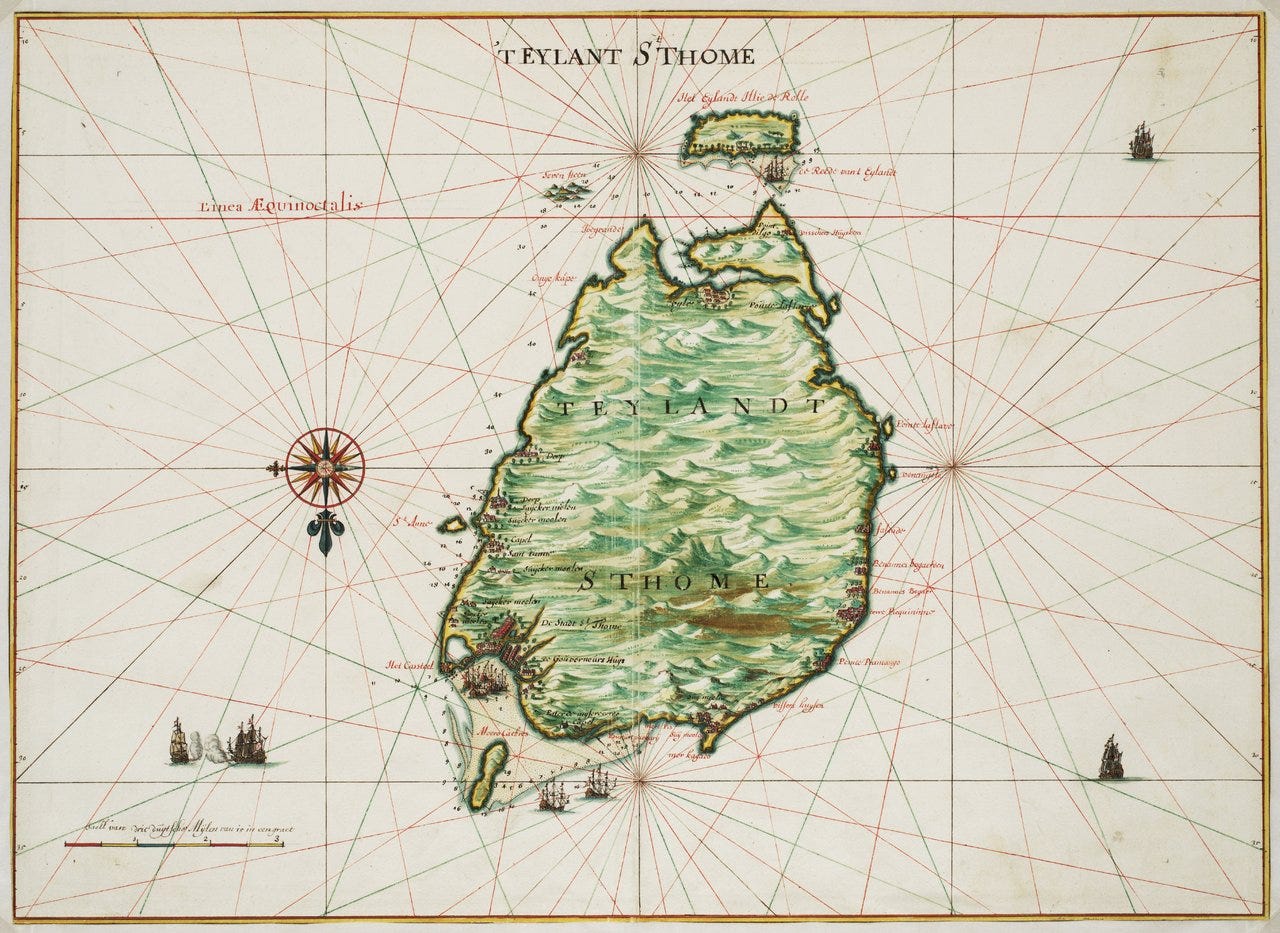
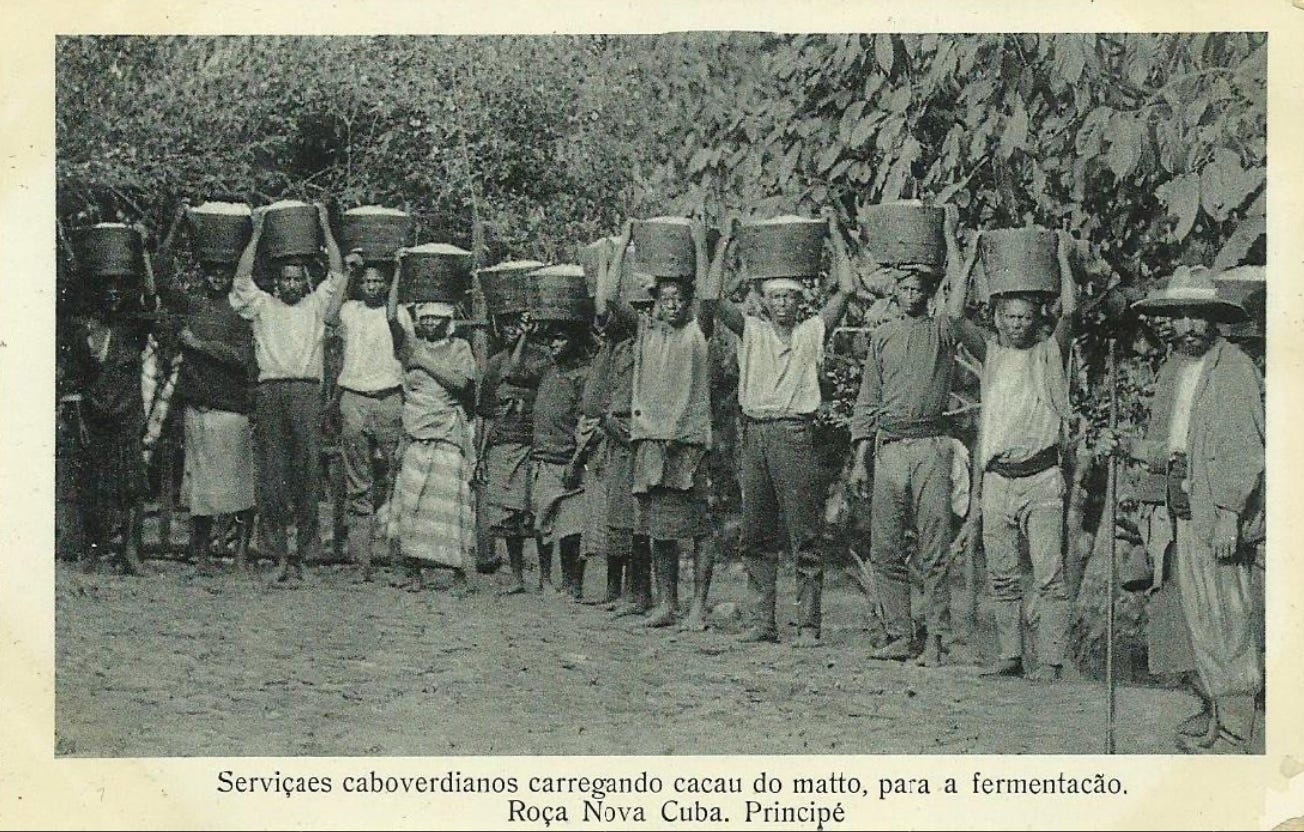
Africans weren’t the only people practicing slavery in the decades after the transatlantic trade ended. Europeans continued to do so in their colonial enclaves along the coast. Cadbury, the British chocolate brand now owned by Mondelēz, obtained more than half the cocoa used in its famous products from the Portuguese colonies of São Tomé and Príncipe in the early twentieth century.
During the first few years of that century, the conditions under which this cocoa was produced began to come to light. The plantations relied on so-called contract workers. They were free on paper, but their working conditions left them effectively enslaved. Portuguese agents bought workers in present-day Angola and shipped them to the islands, where they were forced to sign five-year contracts. These were then renewed, often without the workers’ consent. Their wages might arrive late, be paid in small installments, or simply be spent by their employers.
In “The Hidden Costs of Labour on the Cocoa Plantations of São Tomé and Príncipe”, the economic historian William Gervase Clarence-Smith recounts a song whose refrain captured the workers’ central grievance:
“In São Tomé, there is a door to go in, but none to come out.”
When the scandal broke, those responsible in São Tomé and Príncipe promised reforms. These were either half-hearted or never introduced at all. In 1909, Cadbury, which had known about the conditions since 1901, boycotted cocoa from the islands and turned instead to the Gold Coast, now Ghana. In 2021, in the wake of the Black Lives Matter movement, the Barrow Cadbury Trust, a charity founded by a member of the Cadbury family, apologized for the company’s involvement in slavery on the islands.
New trade, new struggles for power
Despite the initial increase in slavery within Africa, legitimate commerce allowed a wider section of the population to share in the income from trade. Royals and political elites whose military power had given them a near monopoly over the slave trade now had to compete for export markets with small producers, farmers, and enterprising merchants. Some traditional rulers withstood the pressure and retained control of the new trade. Others saw their influence sharply reduced.
What some historians have called a “crisis of adaptation” for certain groups became an opportunity for others. In some places, the shifting balance of power caused severe instability. As Reid writes:
“Sociopolitical disruption, even collapse, ensued in a number of states and societies as the nineteenth century progressed.”
These changes did not affect every West and Central African society in the same way. Some who had depended on the slave trade failed to find a place in the new commerce. Others, which had never exported enslaved people, became major players in the so-called legitimate trade. Still others made the transition smoothly.
When trade became conquest
For the West, a new problem soon emerged. Some sub-Saharan African states, merchants, and intermediaries were now regarded as too powerful and too independent, with too much say over how trade was conducted. Their prices were “too high”. They traded in the “wrong” way. They refused to follow rules dictated by Westerners, imposing taxes, customs duties, and monopolies that did not serve Western interests.
These tensions intensified from the 1870s onwards during the Long Depression, an international economic crisis centered on North America and Europe that also affected Africa. Falling prices for certain major exports, including palm oil, sharpened disputes over trading revenues in some regions.
The situation continued to deteriorate. Either African states were too chaotic for “proper” trade, or they were too restrictive for trade to be “free”. Either way, greater European intervention was deemed necessary. This view was reinforced by racism, which had survived abolition and became still more entrenched in Western societies during the second half of the nineteenth century. Black Africans were considered incapable of becoming “civilized”, adopting Christianity, or ending wars among themselves without outside help. They needed European guidance.
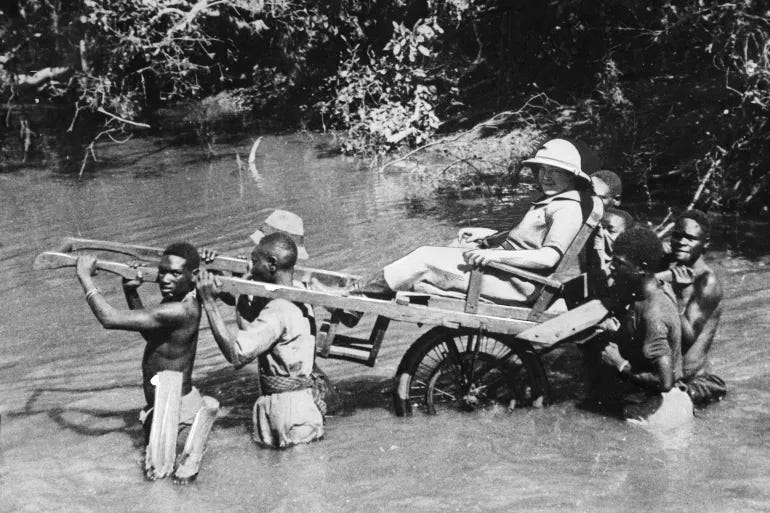
During the second half of the nineteenth century, European expansion into the interior intensified, extending beyond the coastal bases that had long been central to their trade. Europeans hoped to map the continent’s resources, find producers, bypass middlemen, “civilize” its inhabitants, and seize the political power needed to make commerce work on their terms. Western industries needed African raw materials, and Africa had to remain open to the goods those industries produced.
Christian missionaries, determined to eradicate the continent’s ”evil” and save the “poor natives”, joined adventurers and explorers. Sometimes the distinction between explorer and missionary was slight. European states later followed in a more official capacity. Belief in Western cultural superiority ran through these ventures.
In A History of Modern Africa, Reid makes three broad observations about how legitimate commerce prepared the way for colonization:
“First, levels of personal freedom declined as domestic slavery increased, while labour both free and unfree was now harnessed to the export trade rather than internal development and diversification.
Second, European imports – these included a dizzying array of goods, but the most important were cloth, sundry manufactures, alcohol, and guns – did little to strengthen indigenous economies, and indeed in many respects weakened them over the longer term.
And third, the independence of successful exporting societies was soon threatened by the interference of their European trading partners: commerce, ultimately, would lead to conquest.”
How a continent was conquered
Technological superiority was crucial to making the European conquest of Africa possible. African societies resisted, sometimes successfully. Over time, however, their armies were overwhelmed by modern weapons such as Gatling guns, rockets, and mountain artillery.
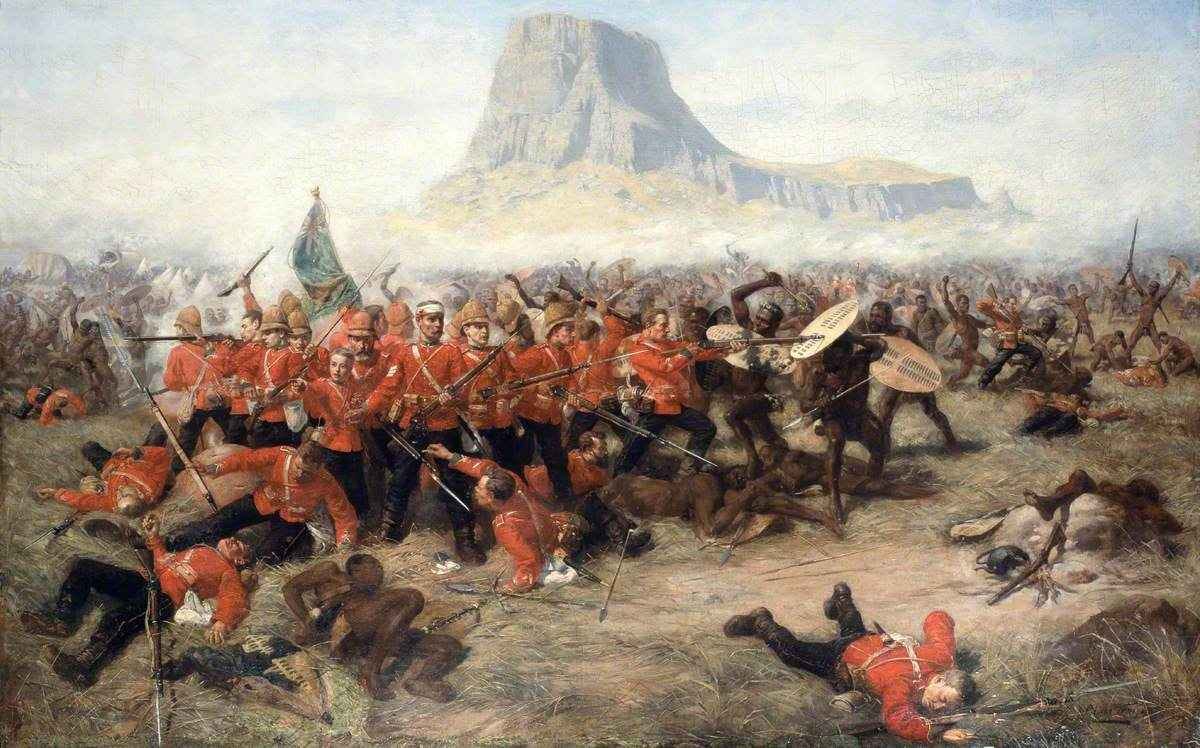
Europeans also benefited from steamships, the telegraph, and quinine, a treatment for malaria. Quinine itself was not new, but its use became increasingly widespread in the mid-nineteenth century.
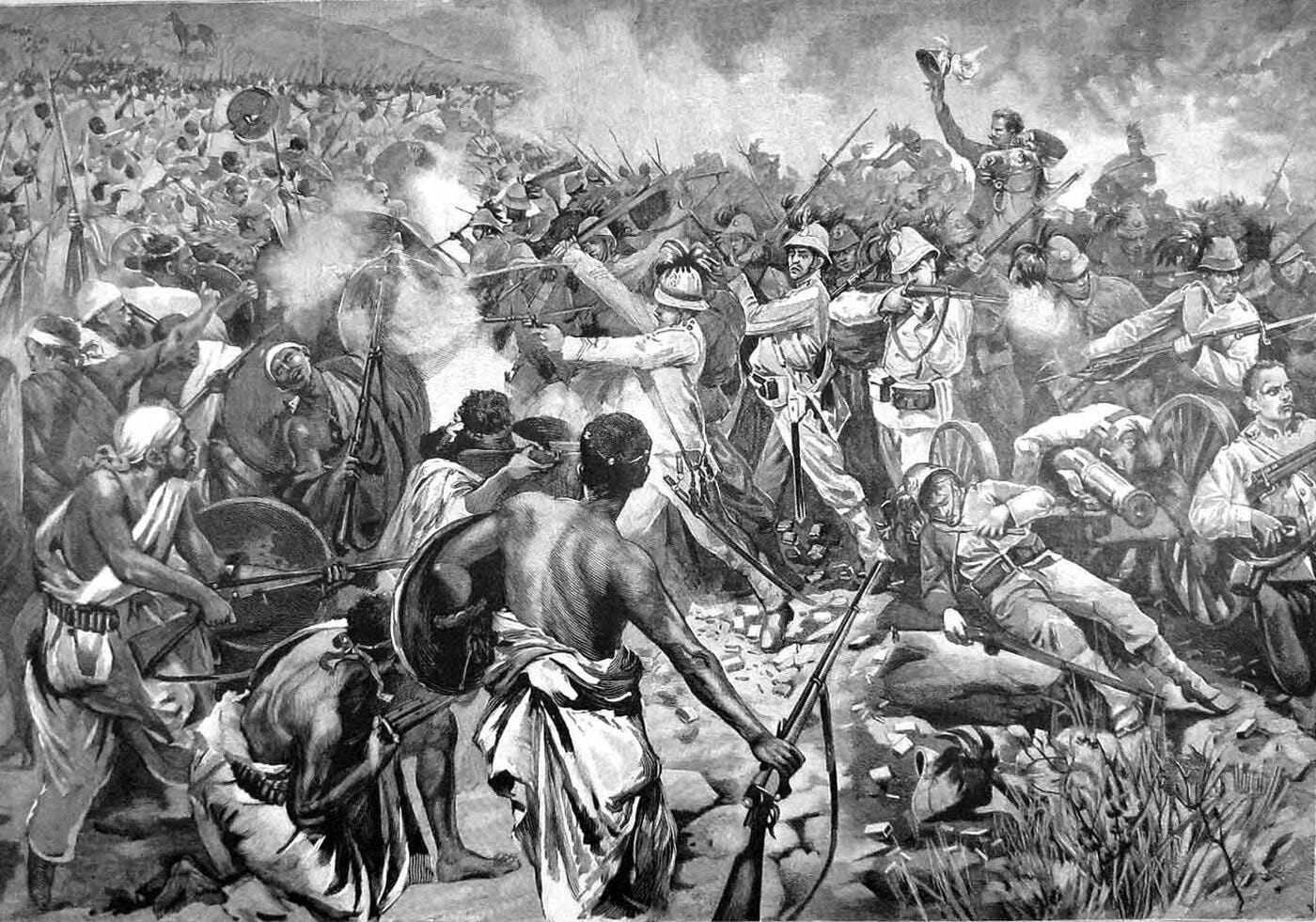
The idea of Africa as a single political, cultural, or racial entity is a relatively recent invention. African societies did not generally see themselves as facing a collective attack by a foreign power. Solidarity based on an “African”, much less a “Black”, identity was hardly widespread.
As elsewhere in the world, there were rivalries between peoples, societies, and states, some stretching far back into the past. European powers often exploited these divisions to play African kingdoms against one another. Many colonial armies also relied on African soldiers, some volunteers and others forcibly recruited.
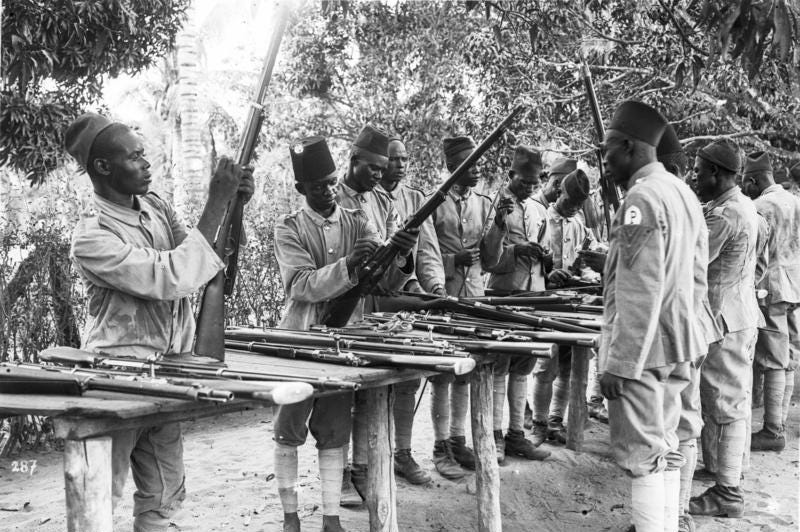
The conquest of Africa was not a single, coordinated attack by allied European nations. It was a series of attacks by powers that were largely competing with one another to bring African territories under their control.
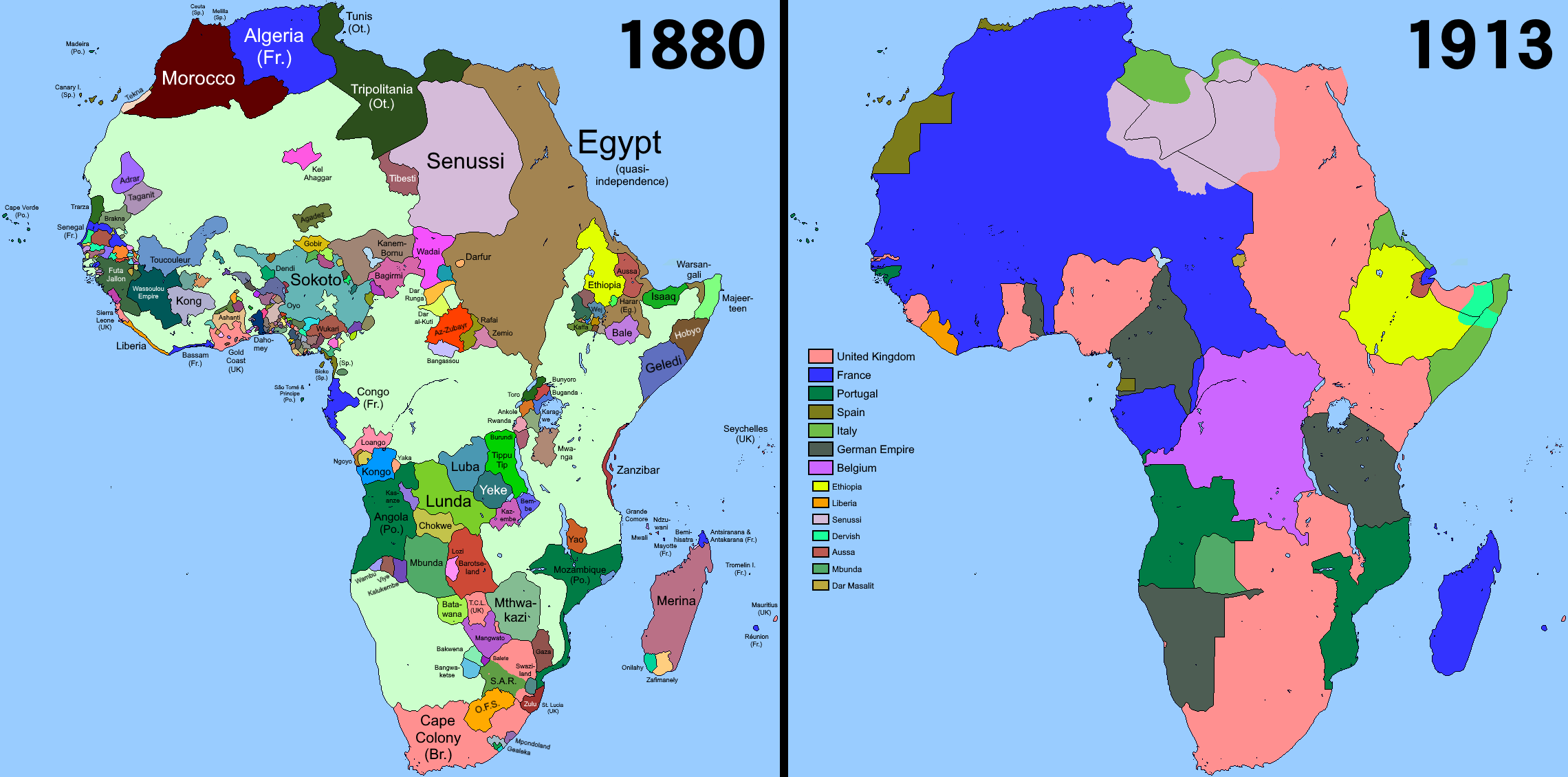
Once these conquests gathered pace, however, events moved with terrifying speed. In the 1870s, most of sub-Saharan Africa remained independent. Exceptions included Portuguese possessions in present-day Angola and Mozambique, the French presence in Senegal, and European colonies in what is now South Africa. By the outbreak of the First World War, almost the entire continent, apart from Ethiopia and Liberia, was in European hands.
(This article focuses on the regions affected by transatlantic slavery, chiefly West and Central Africa. Developments in East Africa took a different course. As transatlantic slavery neared its end in the West, other branches of the trade in enslaved Africans reached their golden age in the nineteenth century, with Zanzibar, North Africa, and the Middle East among the major destinations. But that is a subject for a future article.)
Further reading:
Books:
The History of the Rise, Progress And Accomplishment of the Abolition of the SlaveTrade by the British Parliament by Thomas Clarkson (1839)
White Over Black: American Attitudes Towards the Negro, 1550–1812 by Winthrop Jordan (1968)
From Slave Trade to ’Legitimate’ Commerce: The Commercial Transition in NineteenthCentury West Africa by Robin Law (editor) (1995)
The Atlantic Slave Trade by Herbert S. Klein (2010)
A History of Modern Africa: 1800 to the Present by Richard J. Reid (2012)
Transformations in Slavery: A History of Slavery in Africa by Paul E. Lovejoy (2012)
Chocolate Islands: Cocoa, Slavery, and Colonial Africa by Catherine Higgs (2012)
Modern Slavery: The Margins of Freedom by Julia O’Connell Davidson (2015)
Scholarly articles:
”A Staple Interpretation of Slavery and Free Labor” by Carville V. Earle in Geographical Review (vol. 68, nr 1, 1978)
“The Hidden Costs of Labour on the Cocoa Plantations of Sao Tomé and Principe, 1875-1914” by Clarence-Smith, William Gervaise in Portuguese Studies (vol. 6, 1990)
”Explaining Costly International Moral Action: Britain’s Sixty-Year Campaign against the Atlantic Slave Trade” by Chaim D. Kaufmann and Robert A. Pape in International Organization (vol. 53, nr 4, 1999)
Articles:
”Forskningarne i Mellan-Afrika” in Göteborgs-Posten (June 27, 1878)
“After slavery” by Toby Green in Aeon (March 30, 2021)
Other:
”Slave grown Cocoa – An apology from the William A Cadbury Trustees” by William A Cadbury Charitable Trust (July 3, 2021)