


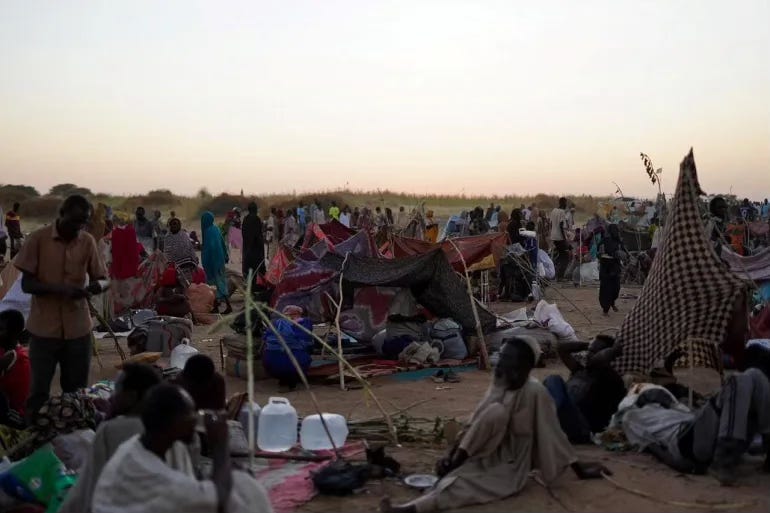
Over the past week, horrific images have emerged from Sudan, specifically from the western city of el-Fasher, which has just fallen to the paramilitary Rapid Support Forces (RSF). Mass executions, kidnappings, and rapes have followed. According to the WHO, soldiers even stormed a maternity hospital and shot dead around 460 patients.
But for those who have been following Sudan’s ongoing disintegration, the scenes in el-Fasher will come as no surprise. Before finally falling, el-Fasher had endured an 18-month siege. Earlier this year, satellite images showed RSF digging a miles-long earthen barrier around the city, designed both to trap civilians inside and block food, medicine, and aid from getting in.
El-Fasher was already a more or less isolated city. Aside from a handful of treacherous desert paths, it is linked to the rest of Sudan by just one paved road – a road long held by the RSF. Desperate voices have therefore warned that RSF intends to turn the city into a “kill zone”. However, as is often the case with Sudan, their pleas for help went unanswered, and we are now witnessing the consequences of this indifference.
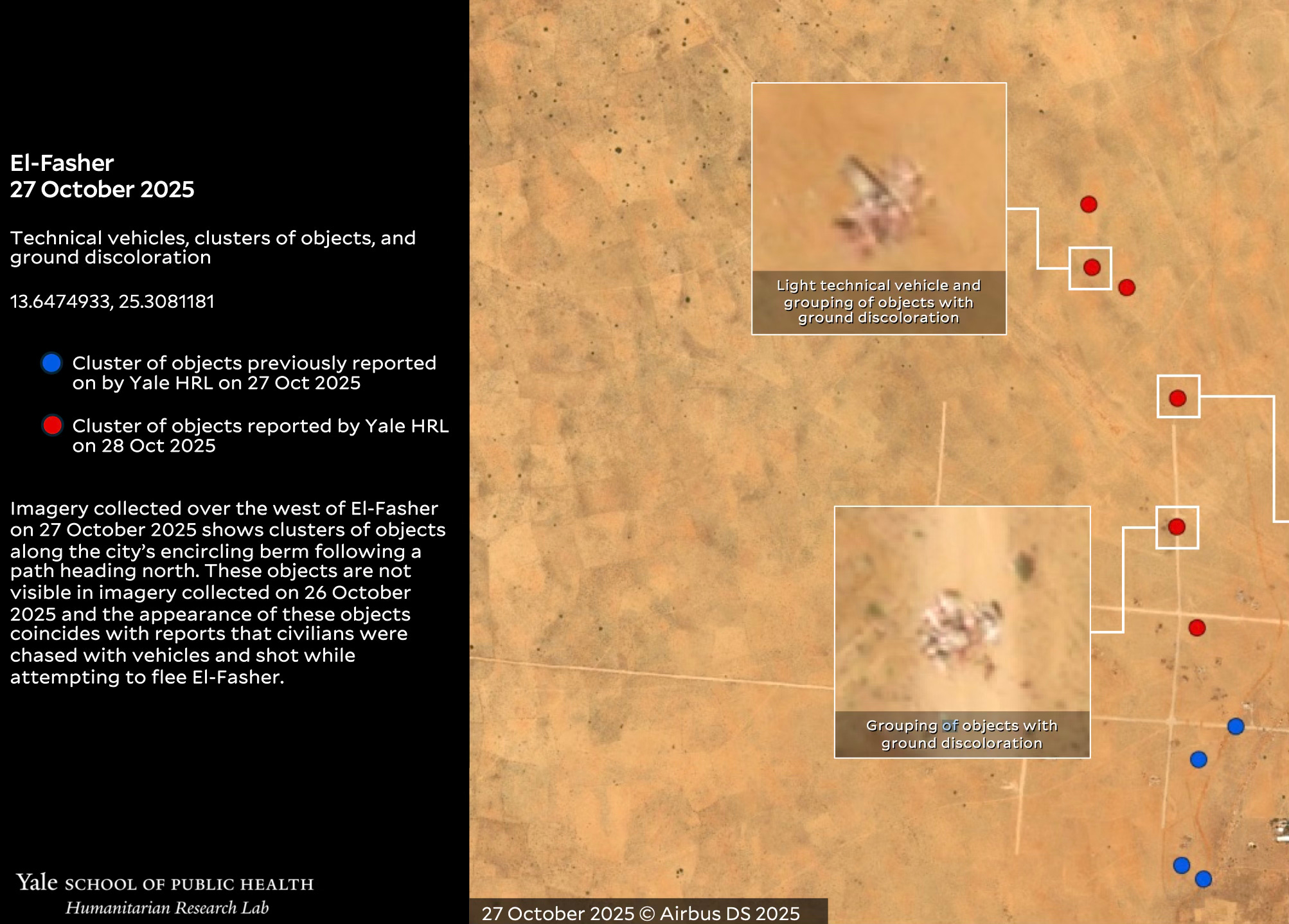
That el-Fasher’s fall was anticipated does not make it unavoidable. For years, aid groups, activists, and intelligence sources, inside Sudan and abroad, have sounded the alarm about the United Arab Emirates’ decisive role in bankrolling the RSF. Through Chad and Libya, vast shipments of weapons, military equipment, and advanced Chinese-made drones have been funneled to the militia in exchange for gold, fertile land, and other resources.
This covert intervention in Sudan is the clearest expression of the UAE’s expanding ambitions in Africa. From the Red Sea to West Africa, the Emirates has rapidly built a sprawling network of ports, logistics hubs, mines, and mineral concessions. This web has extraordinary influence over African nations, whose leaders trade away long-term sovereignty for personal enrichment and short-term fiscal relief.
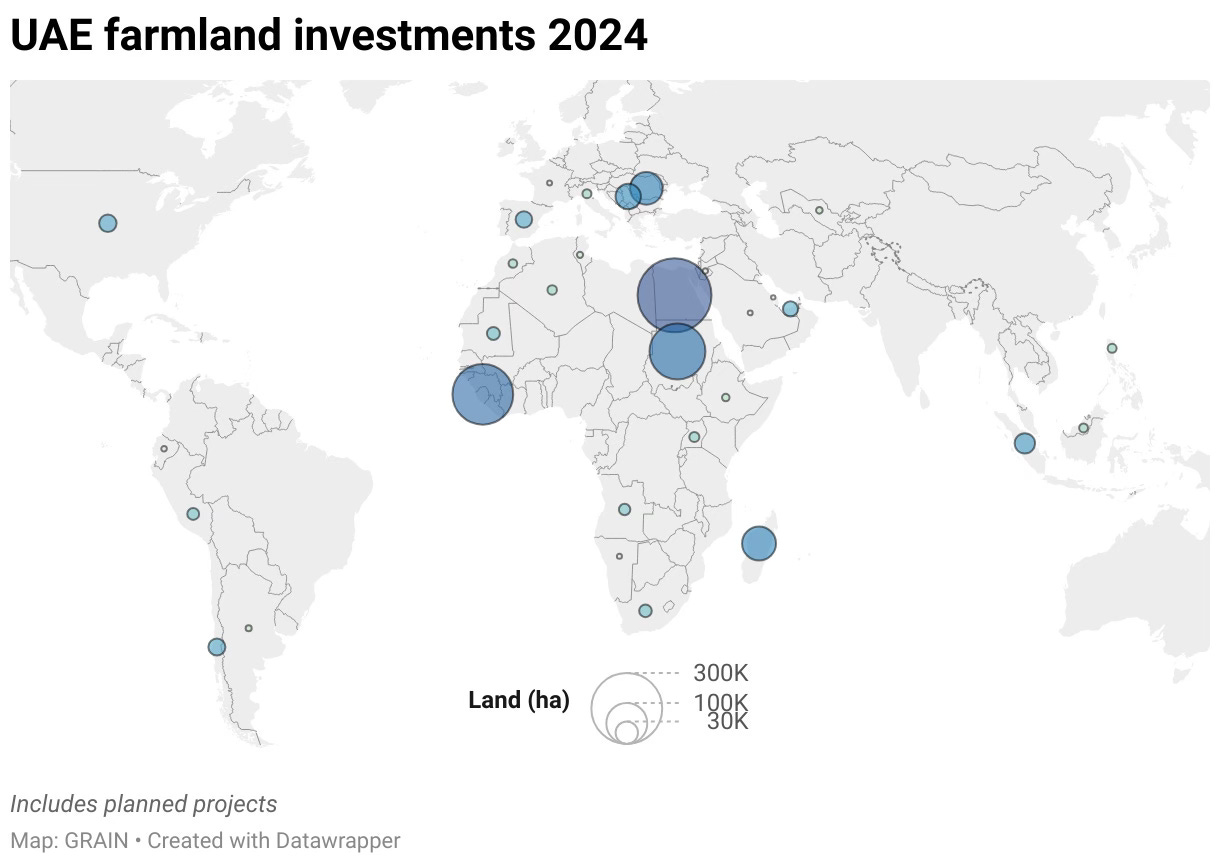
It is a form of power projection that is not based on annexing territory but on taking control of the raw materials and trade routes that economically weaker states depend on.
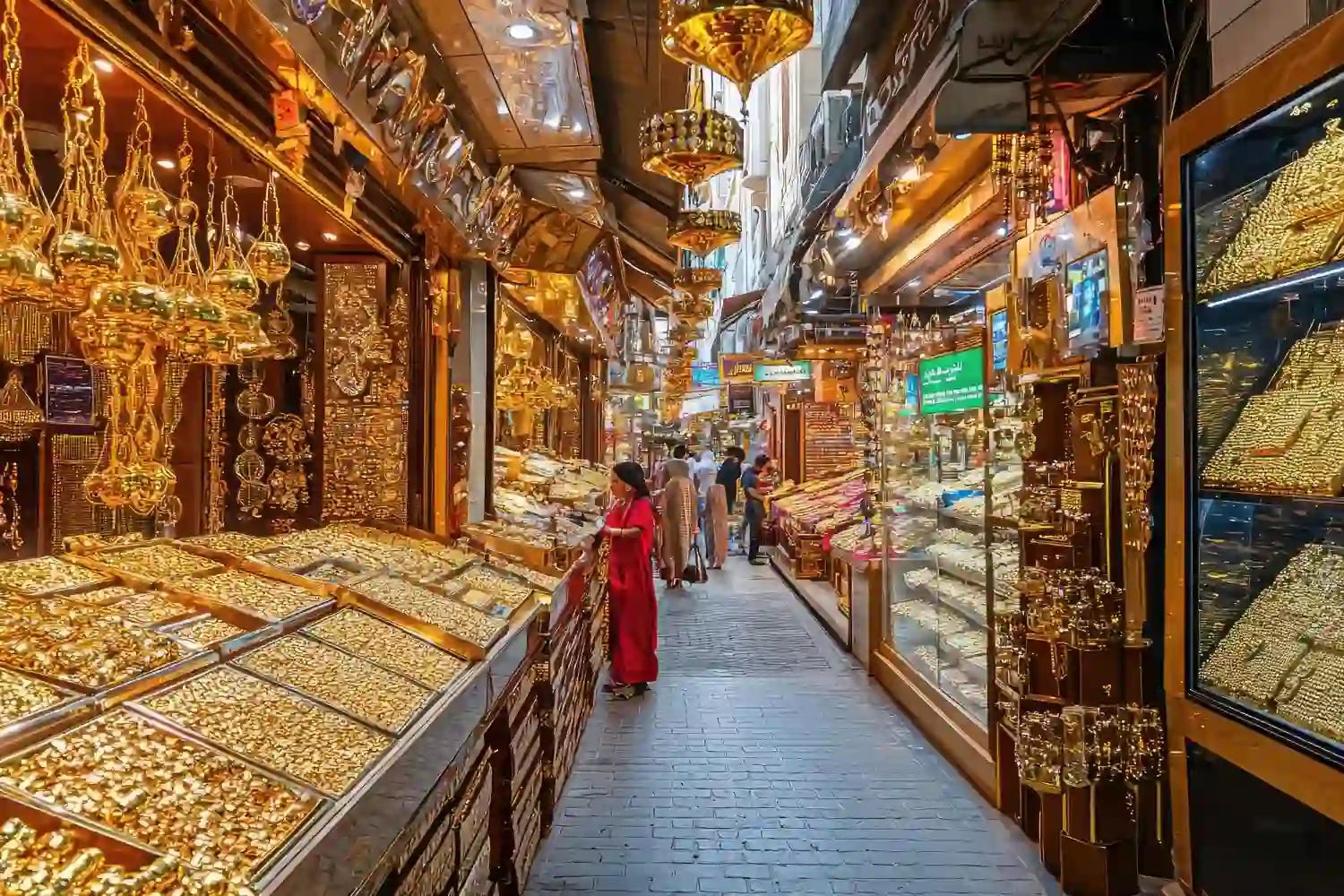
Sudan fits perfectly into this strategy. Its gold has helped cement Dubai’s position as one of the world’s premier gold markets. Its farmland strengthens the UAE’s future food security. And its position along the Red Sea, one of the most vital maritime corridors on the planet, offers immense strategic leverage.
If it also succeeds in replacing Egypt as the most influential nation in the region, much will be gained. Egypt is still a sponsor of the Sudanese regular army (SAF), the RSF’s sworn enemy. Every stretch of land the RSF seizes weakens Cairo’s hand and expands Abu Dhabi’s. The unraveling of Sudan and the support of genocidal RSF forces make it tragically clear just how far the Emirates is willing to go to reshape the region to its advantage.
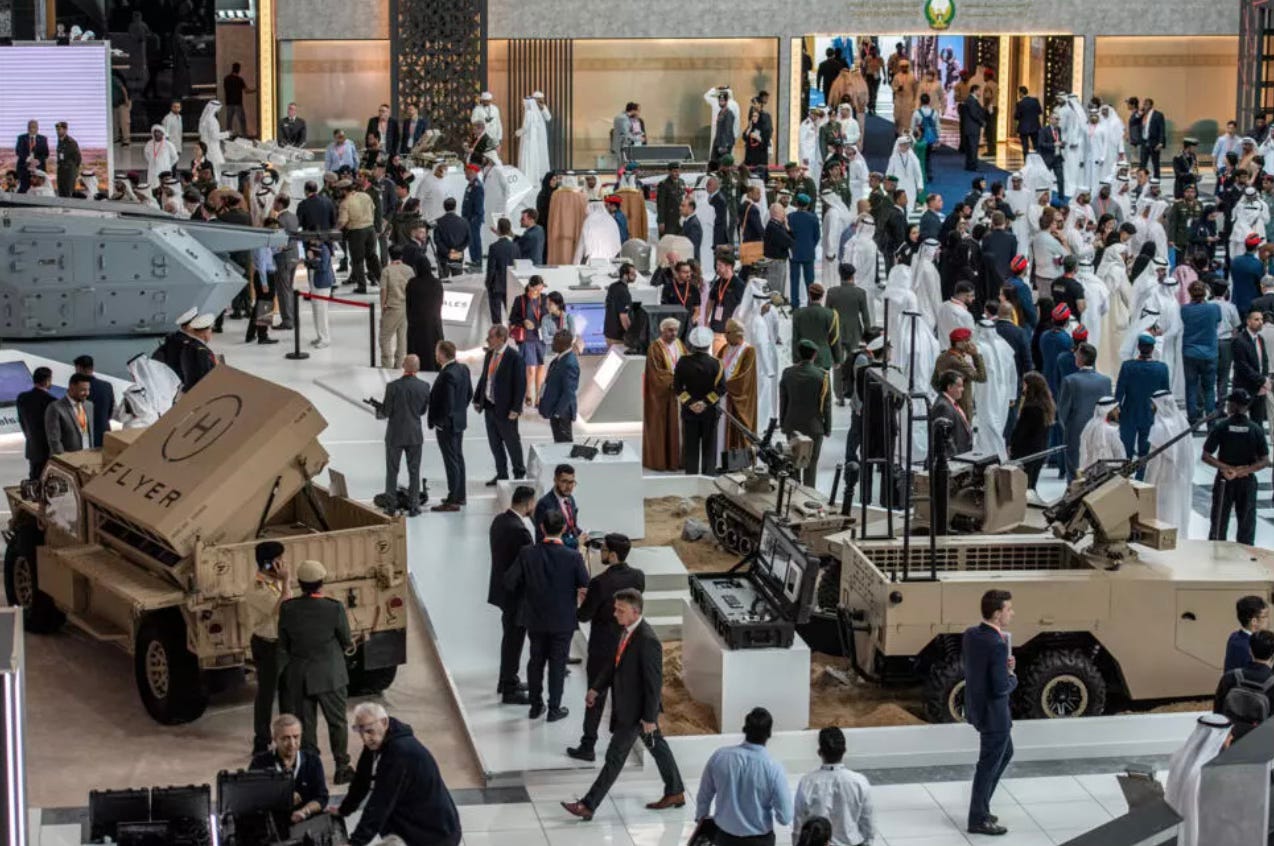
Yet despite its central role in one of the world’s worst humanitarian catastrophes, the UAE – a luxury tourist haven, a major arms importer, and a celebrated Western ally – has faced no meaningful consequences. Western reluctance to pressure Abu Dhabi to end its support has, in a way, allowed the RSF’s unrelenting advance. It was recently revealed that British, Canadian, and other Western-made weapons have surfaced in the RSF’s hands. Arms that have reached the militia via the Emirates.
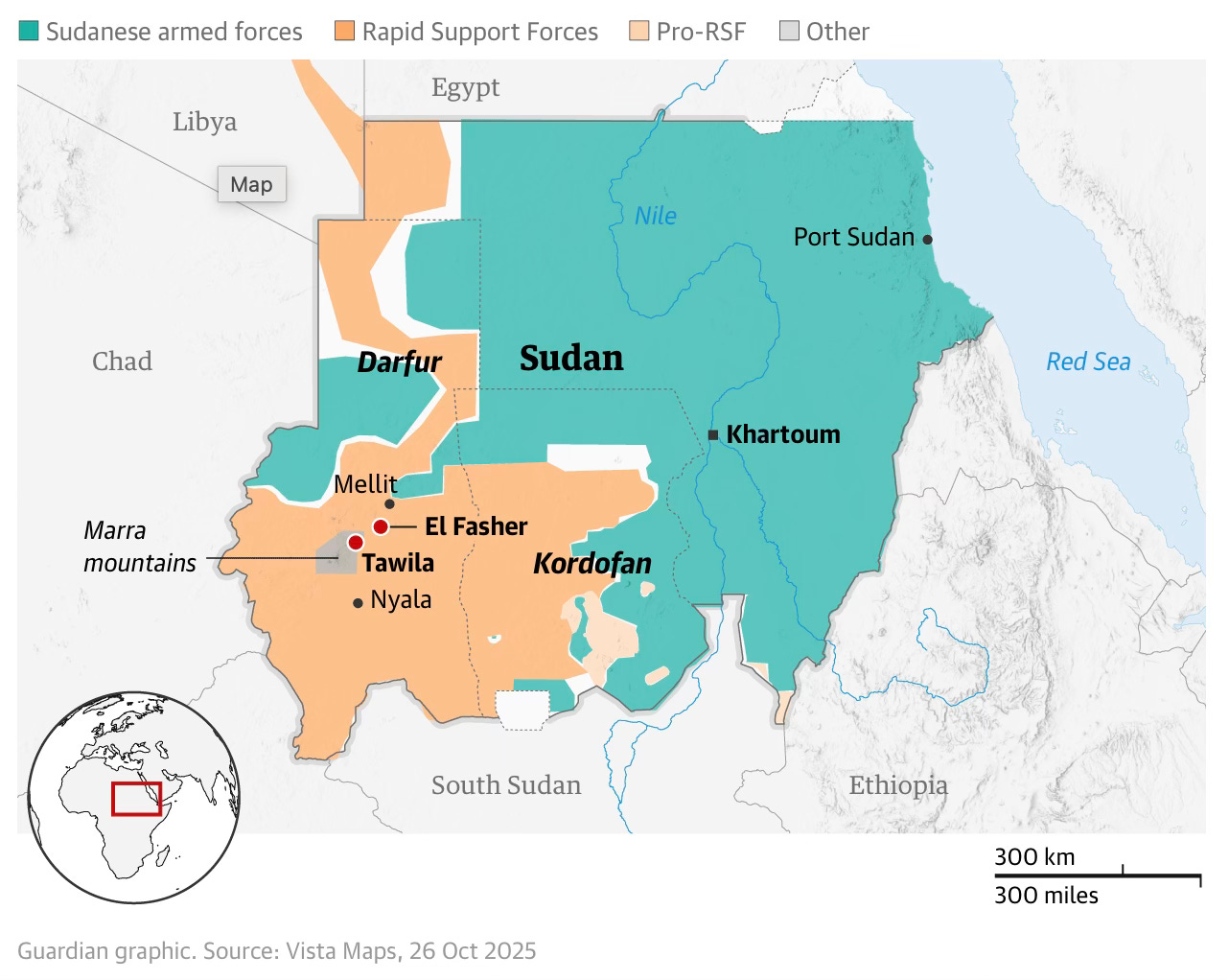
With the capture of el-Fasher, the last government-held provincial capital in the vast Darfur region, Sudan is now effectively split in two. The RSF controls the west, while the national army, the SAF, controls the east. Neither force has managed a decisive victory, and what lies ahead is a brutal stalemate in which ethnic cleansing, starvation, and economic collapse are allowed to grind on unchecked.
Since the war erupted in spring 2023, likely hundreds of thousands have been killed. Today, at least 25 million Sudanese need emergency aid, and 14 million have been displaced.
That the atrocities in el-Fasher have finally jolted Western politicians is welcome but painfully overdue. Sudanese voices have been pleading for help for years. Expressions of “deep concern” mean little when the weapons are already on the ground and the killing continues in real time.
Yet it is not too late to shape the outcome of this war. The RSF has established a parallel government in western Sudan and clearly intends to retain the land it has conquered. But Sudan is enormous, and the RSF will struggle to establish a de facto state without ongoing support from the United Arab Emirates.
It is therefore high time for the rest of the world to reassess its relationship with the emirate. Restrict arms flows. Treat the gold traded in Dubai’s markets as a conflict mineral. Demand complete transparency about the UAE’s links to the RSF. Apply sustained diplomatic pressure, not polite hesitation.
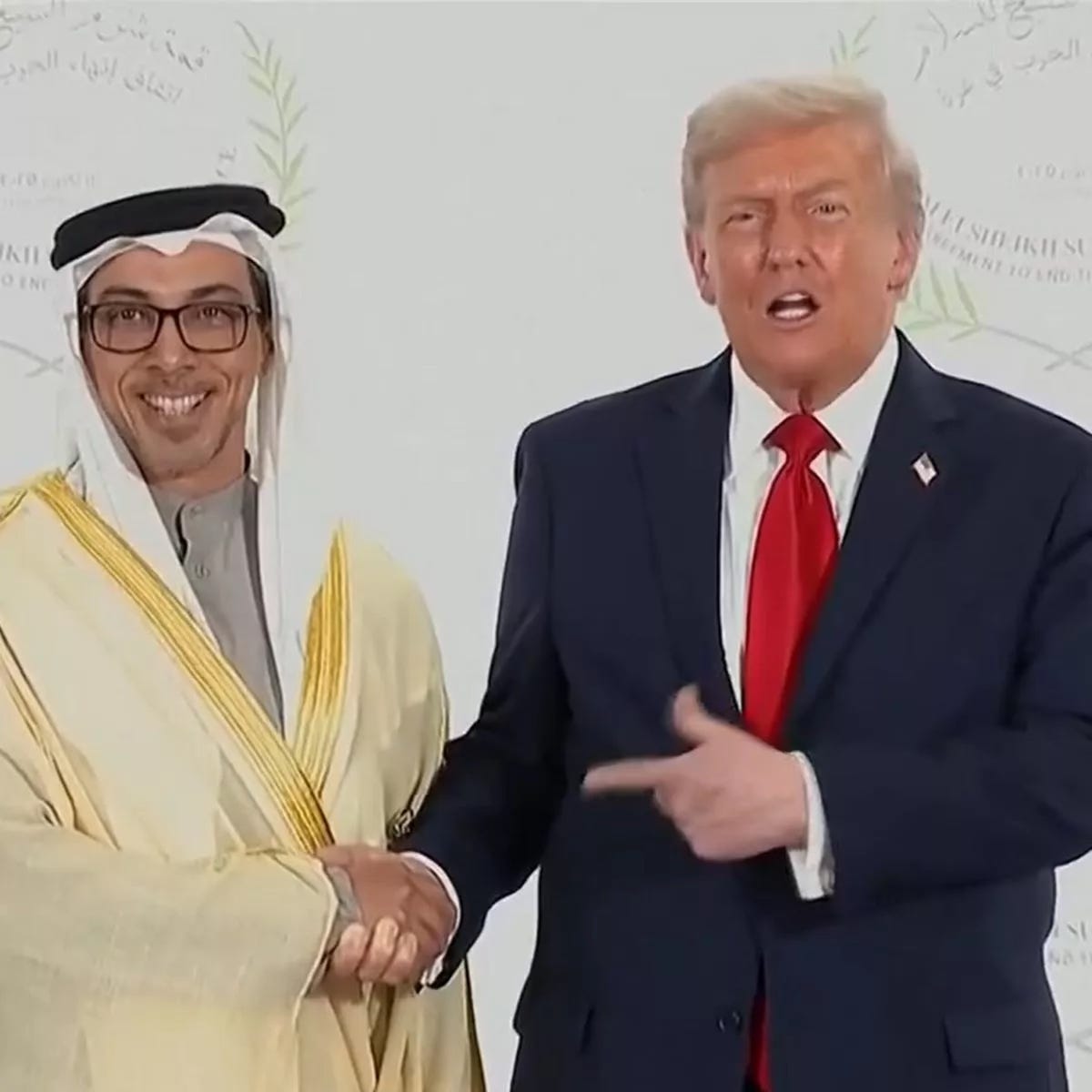
But for that to happen, the fascination with the emirate’s excesses, or “unlimited cash” as Donald Trump recently put it, must be broken. The UAE is not merely a playground of beaches, chrome-glass towers, and unbridled shopping.
It is a country whose unscrupulous leaders are prepared to finance unimaginable levels of human suffering in their pursuit of a neocolonial African empire. Only when we face that reality of the emirate’s shameful involvement – and act on it – can Sudan have a chance to wake from its nightmare.
Further reading:
Books:
The Secret War in the Sudan: 1955–1972 by Edgar O’Ballance (1976)
War and Slavery in Sudan by Jok Madut Jok (2001
The Root Causes of Sudan’s Civil Wars: Peace Or Truce by Douglas H. Johnson (2003)
Sudan: Race, Religion and Violence by Jok Madut Jok (2007)
The State of Africa by Martin Meredith (2011)
South Sudan: From Revolution to Independence by Matthew LeRiche and Matthew Arnold (2012)
Breaking Sudan: The Search for Peace by Jok Madut Jok (2017)
Articles:
“The UAE’s Neo-Venetian Empire” by Brad Pearce on The Wayward Rabbler (June 22, 2025)
“UK military equipment used by militia accused of genocide found in Sudan, UN told” by Mark Townsend for The Guardian (28 October, 2025)
“Video evidence of atrocities emerges as Sudan’s RSF seizes el-Fasher” by al-Jazeera (October 28, 2025)
“Sudanese RSF militia killed 460 people at el-Fasher hospital, says WHO” by Lucy Fleming and Richard Kagoe for BBC (October 29, 2025)
”‘They killed civilians in their beds’: chaos and brutality reign after fall of El Fasher” by Zeinab Mohammed Salih for The Guardian (October 30, 2025)
“Survivors fleeing Sudan’s el-Fasher recount terror, bodies in streets” by al-Jazeera (October 30, 2025)
Other:
From Land to Logistics: UAE’s Growing Power in the Global Food System by GRAIN (July 3, 2024)
“Minerals (also) for Defence: Unlocking the Emirati Mining Rush” by Eleonora Ardemagni for Italian Institute for International Political Studies (July 23, 2024)
“Civilians Around Sudan’s El Fasher Face New Attacks” by Laetitia Bader for Human Rights Watch (April 11, 2025)
“Sudan at War: Internal Divisions, Regional Rivalries, and International Inertia” by Lucia Ragazzi and Sara de Simone for Italian Institute for International Political Studies (April 30, 2025)