


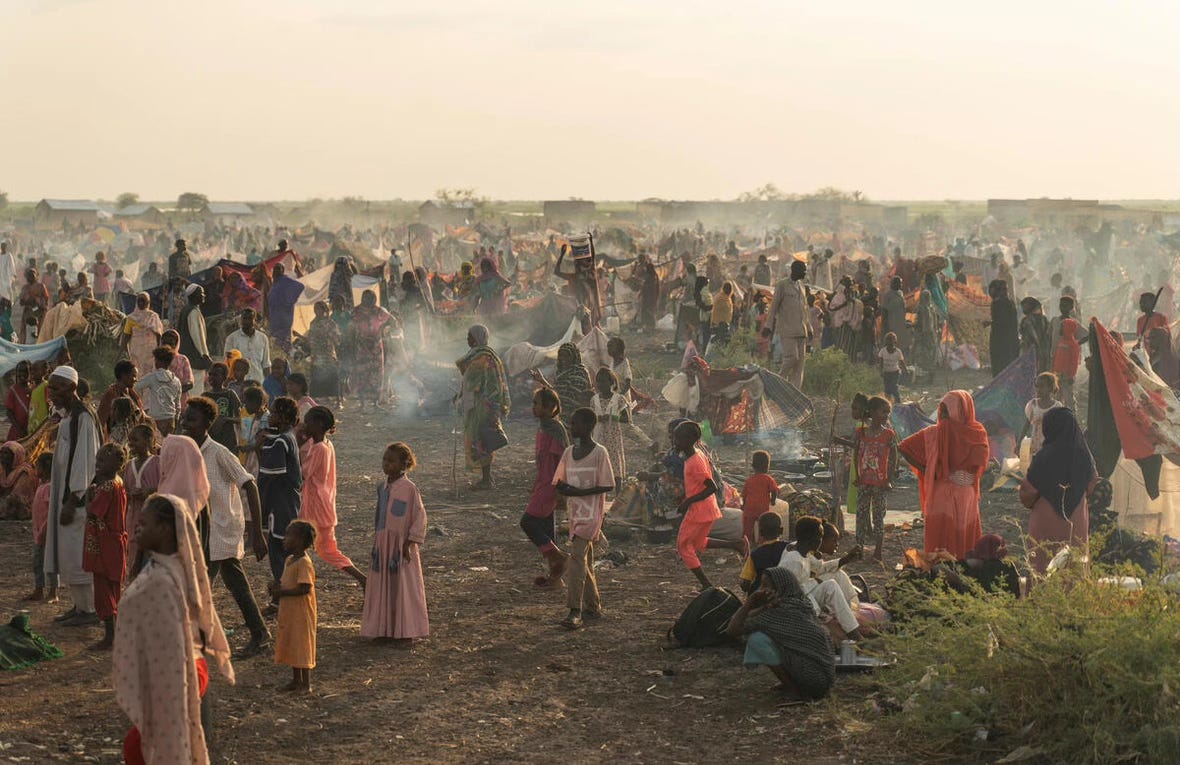
Sudan is collapsing before our eyes – and the world looks away. Colonial divisions, unhealed civil wars, and the scramble for the country's riches have created the foundation for today's catastrophe. The result is a nation in free fall, where ordinary people pay the ultimate price.
The land that comprises Sudan has a history stretching back thousands of years. But as a modern state, it is barely older than a lifetime. Independence came in 1956, after nearly sixty years of joint British-Egyptian rule in name, but near-total British control in practice.
A Complicated View on Ethnicity
Sudan has always been diverse: nearly a hundred languages, countless communities, and millennia of migration. Too often, its history has been flattened into a simplistic north–south divide: Arab Muslim northerners versus Black African southerners, who were predominantly Christian or adherents of indigenous religions.
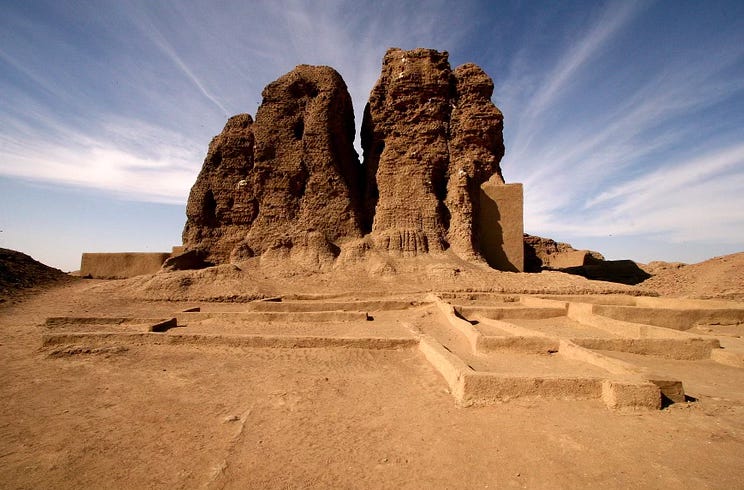
It's difficult not to generalize when discussing ethnicity in Sudan. The area has been inhabited since prehistoric times, and it's here where some of Africa's earliest state formations arose. The influential Kerma emerged as early as 4,500 years ago, followed by the kingdom of Kush, which for a long time rivaled Egypt for power along the northern Nile.
From the 7th century AD, Muslims from the Arabian Peninsula began to move further south from the Egypt they had conquered. They failed to subjugate Sudan militarily, but gradually new trade links emerged. The slave trade became a central part, where people from various Sudanese ethnic groups were taken to Egypt and further into the Muslim world.
Over the following centuries, numerous ethnic groups settled in Sudan, from Bedouins from the east to Nilotic peoples from the south. New communities emerged where language, religion, and identity merged.
In the Middle Ages, Christian Nubian monarchies were gradually toppled by advancing Muslim kingdoms. In the 19th century, the Ottoman Empire invaded via one of its satellite states, Egypt. This made the population even more mixed and created new conflicts over land, power, and religion.
The simplification in portraying Sudan's historical conflict as a battle between Arabs and Africans is based on the fact that the country's different ethnic groups have intermarried "across borders" for centuries and that one's identity depends on more than just skin color. The language one speaks and the religion one subscribes to play equally, if not more, important roles.
Someone who identifies as an Arab can, in principle, have as dark a skin tone as someone who identifies as African. And many simply identify as a mix and embrace both.
But rulers, colonial and postcolonial alike, have consistently amplified the division between "Black" and "Arab", Muslim and non-Muslim, in an attempt to maintain political power.
Colonial Segregation
British rule deepened inequality. Investment poured into the north: irrigation systems, railways, ports, schools, and hospitals. The south was deliberately left underdeveloped. This was part of the so-called indirect rule, a tactic the British used in many parts of Africa. The reasons were many:
There were geographical, economic, and logistical motives. Northern Sudan was closer to the Mediterranean and Britain, and was therefore easier to connect to the already existing, but constantly expanding, trade networks. Cotton production, vital for the British textile industry, also had the greatest potential in the north.
But racial beliefs of the time also contributed. The British considered the northern Muslim "Arabs" to be closer to the white race and therefore better suited to administration and a certain degree of self-government. While the "Africans" in the south were seen as primitive and incapable of managing themselves.
Over the years, this distinction created enormous political, economic, military, and cultural inequality. As a result, Northern Sudan came to dominate when the country became independent. Of the approximately eight hundred jobs that the British left behind in the state apparatus, only six went to civil servants from Southern Sudan.
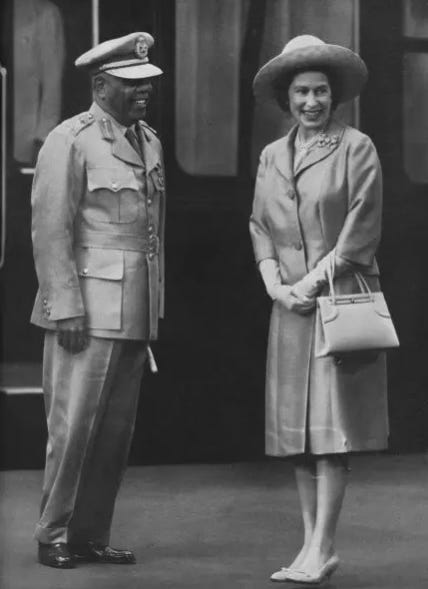
In August 1955, six months before independence, southern soldiers mutinied at the prospect of being commanded by northern officers. The uprising was crushed, but instability set in. In November 1958, the military took power in the country through a coup led by General Ibrahim Abboud.
His vision was to unify Sudan by spreading Islam in the south. Mosques were built, the day of rest was changed from Sunday to Friday, and southern Sudanese were restricted in their practice of Christianity or indigenous religions.
With these tactics, peace wouldn't last long.
Decades of Civil War
From the late 1950s onwards, Sudan lurched between coups, juntas, and fragile governments in what is known as the First Sudanese Civil War. In 1972, the parties reached an agreement that ended the fighting and marked the beginning of the country's longest period of sustained peace.
It lasted only eleven years. The fundamental disputes had never been resolved, and in 1983, Sudan's Second Civil War broke out. The background was complicated:
The country's centralized rule marginalized many from political influence, and there was a struggle for control over natural resources – particularly the oil that had been discovered in the south in the late 1970s.
The south was also upset by what it saw as continued neglect. It had too little influence over the economy and still lacked significant investment in various infrastructure and development projects.
In 1983, Sudan's then-President Jaafar al-Nimeiry allied himself with the local branch of the Muslim Brotherhood, Hassan al-Turabi's National Islamic Front (NIF), and introduced Sharia law in the country's non-Muslim south. This was seen by many South Sudanese as a major betrayal, as they had been promised cultural and religious autonomy under the previous peace treaty.
The repression spread rapidly: the country's institutions were purged of dissenters, political opponents were imprisoned without trial, and prisoners were tortured.
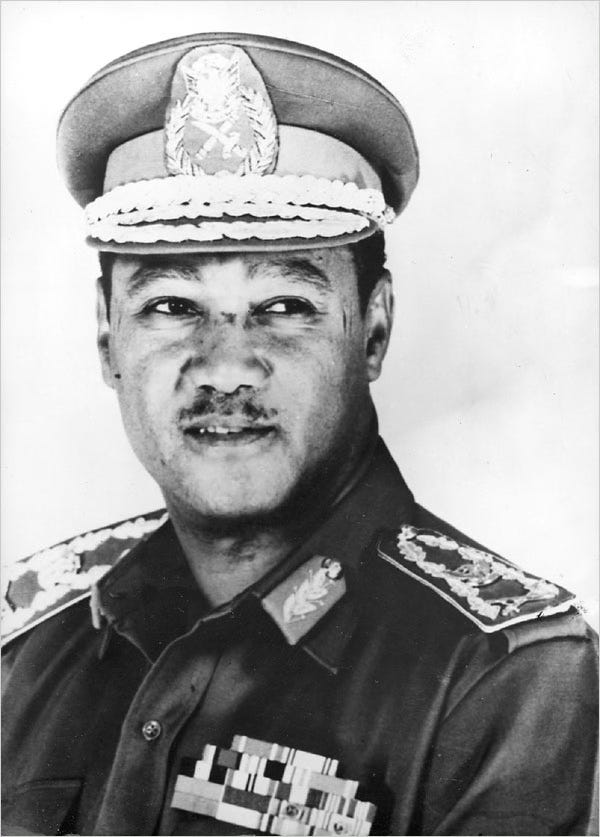


Colonel John Garang responded by founding the Sudan People's Liberation Army (SPLA) in 1983, vowing to fight for a democratic, secular Sudan.
The war was brutal: scorched-earth tactics, international aid being withheld, famine wielded as a weapon, and millions forced to flee. However, between 1986 and 1988, progress was made in the negotiations, and a ceasefire and a pause in Sharia law were proposed, among other things.
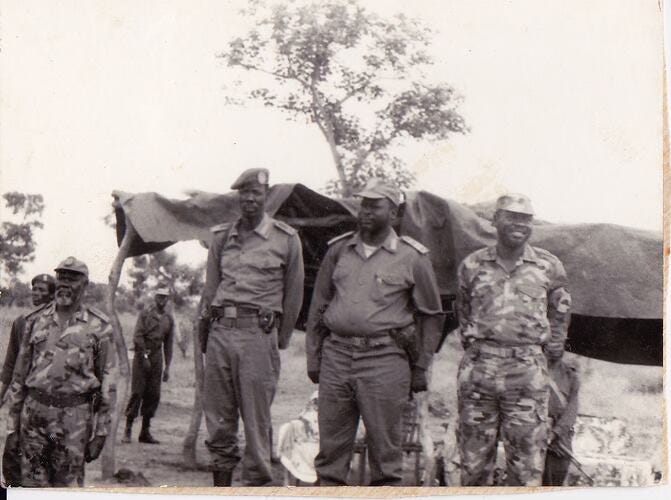
But hopes for peace were dashed in 1989 when Sudanese soldiers once again took over in a military coup, this time led by Colonel Omar al-Bashir.
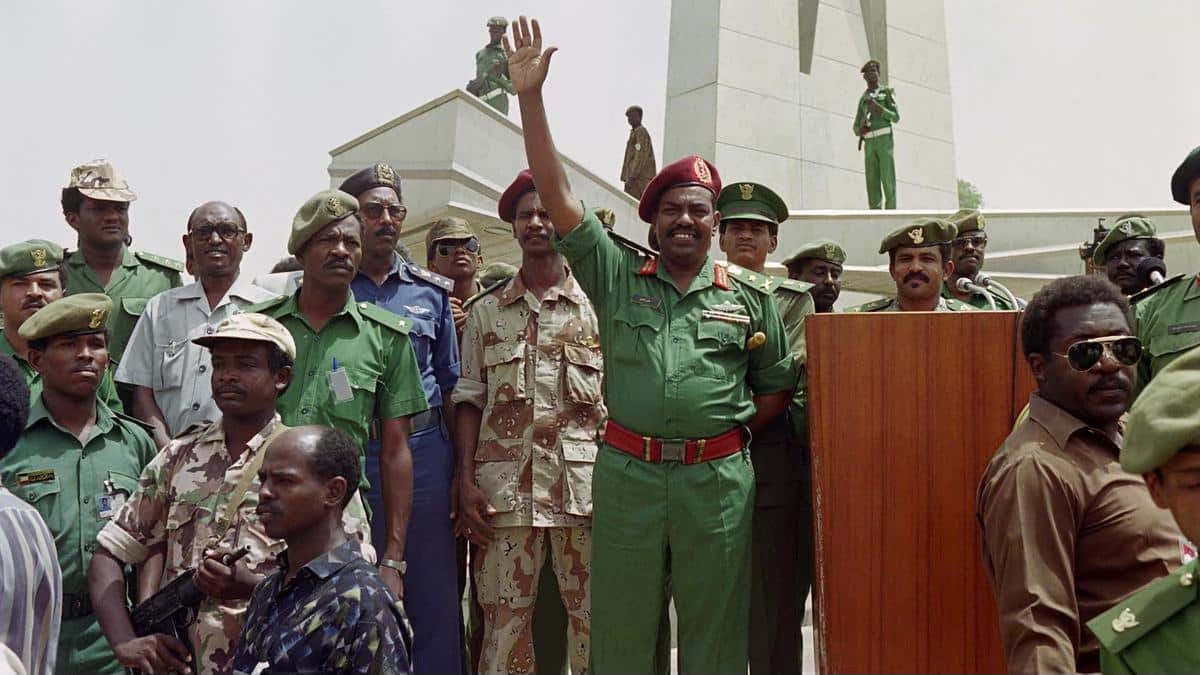
Omar al-Bashir's Thirty-Year Rule
Al-Bashir made no secret of his intentions. Shortly after taking power, he appeared at a rally with a Quran in one hand and an AK-47 in the other. He declared to the crowd:
"I vow here before you to purge from our ranks the renegades, the hirelings, enemies of the people and enemies of the armed forces. Anyone who betrays the nation does not deserve the honour of living."
Al-Bashir wanted to create an Islamist dictatorship. He shut down newspapers, banned unions, declared that Sharia law would continue, severely restricted women's rights, and opposed Sudan's non-Arab cultures.
But even Muslims who, for various reasons, opposed the development were punished harshly. In 1992, al-Bashir's scholars issued a fatwa stating that:
"An insurgent who was previously a Muslim is now an apostate, and a non-Muslim is a non-believer standing as a bulwark against the spread of Islam; Islam has granted the license to kill both of them."
Unsurprisingly, the civil war continued, with human suffering on an immense scale. Despite the noble words about democracy and religious freedom, the SPLA also committed gross abuses, while the government and its allies even resorted to enslavement in their battles against their southern rivals.
Soon, the resistance movement split into several factions, between rebels who sought a unified secular Sudan and those who aimed for an independent South Sudan. Several of the warring parties kidnapped civilians and recruited child soldiers.
When a peace agreement was finally reached in 2005, up to two million people had died, and many more had fled. As part of the agreement, southern Sudan was to hold a referendum on whether to remain part of the nation or secede.
In January 2011, 98.83 percent of the participants voted in favor of secession, and the new country of South Sudan was formed.
The Darfur War
If the first and second Sudanese civil wars are often simplified as battles between the north and the south, the Darfur conflict can be seen as a struggle between the country's center and its neglected western regions.
In 2003, two rebel groups – the Sudan Liberation Movement (SLA) and the Justice and Equality Movement (JEM) – took up arms, citing both systemic discrimination against Darfur's non-Arab population and a deeply unequal distribution of power. The region, vast in size, had long been sidelined by Khartoum, and its people had grown weary of being ignored.
Their calls for influence were met with terror, and as the southern war neared its end, a new war erupted in the west.
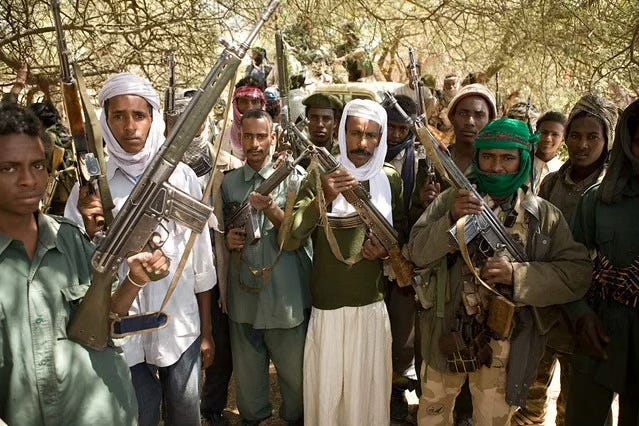
President Omar al-Bashir once again reached for the weapon he knew best: ethnic cleansing. Sudan's air force bombed villages, women were subjected to mass rape, and government-sponsored militias known as the Janjaweed were given free rein to murder, loot, and sexually assault the largely non-Arab population.

The toll was staggering. Up to 400,000 people were killed, millions displaced, and the world labeled the atrocities a genocide. For a brief moment in the mid-2000s, Darfur was thrust into the global spotlight – with George Clooney-led campaigns and high-profile fundraising drives. But as so often before, international attention soon drifted elsewhere.
The violence, however, did not.
Under al-Bashir, torture, systematic rape, and even modern slavery remained tools of repression. Peace proved elusive, in part because the rebel movements splintered, just as they had in the south, turning on one another as their agendas diverged.
Two peace agreements were signed – in Abuja in 2006 and in Doha in 2011 – but the fighting has never completely stopped.
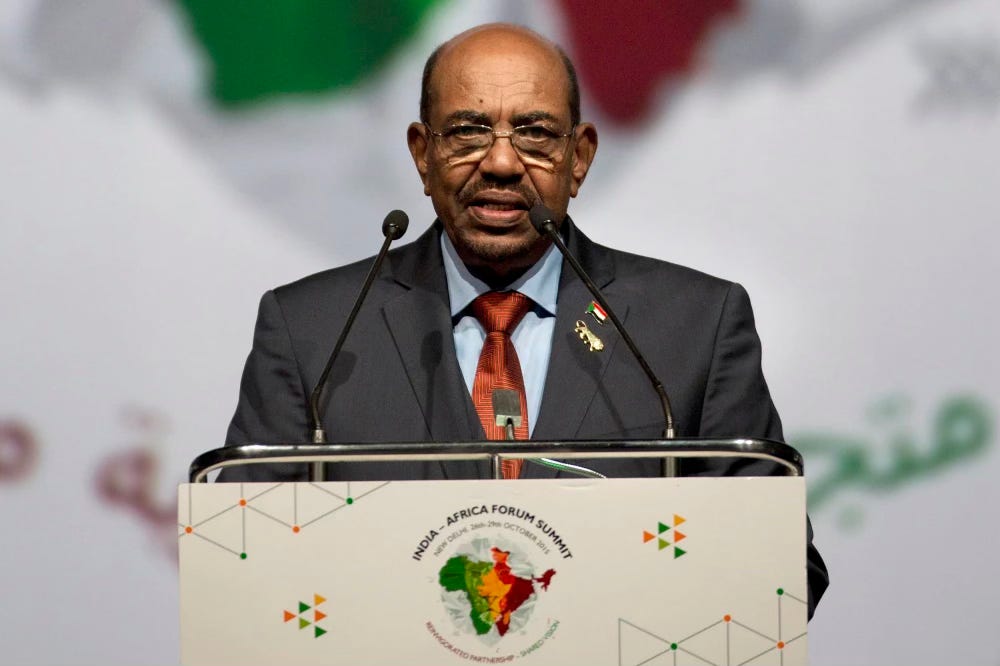
Meanwhile, the International Criminal Court indicted al-Bashir between 2008 and 2010 for war crimes, crimes against humanity, and genocide. He dodged justice for years, dismissing the charges as Western neo-colonialism and carefully avoiding travel to states that might arrest him.
Yet after three decades in power, what finally toppled al-Bashir was not international justice, but his own collapsing economy.
A Hijacked Sudanese Revolution
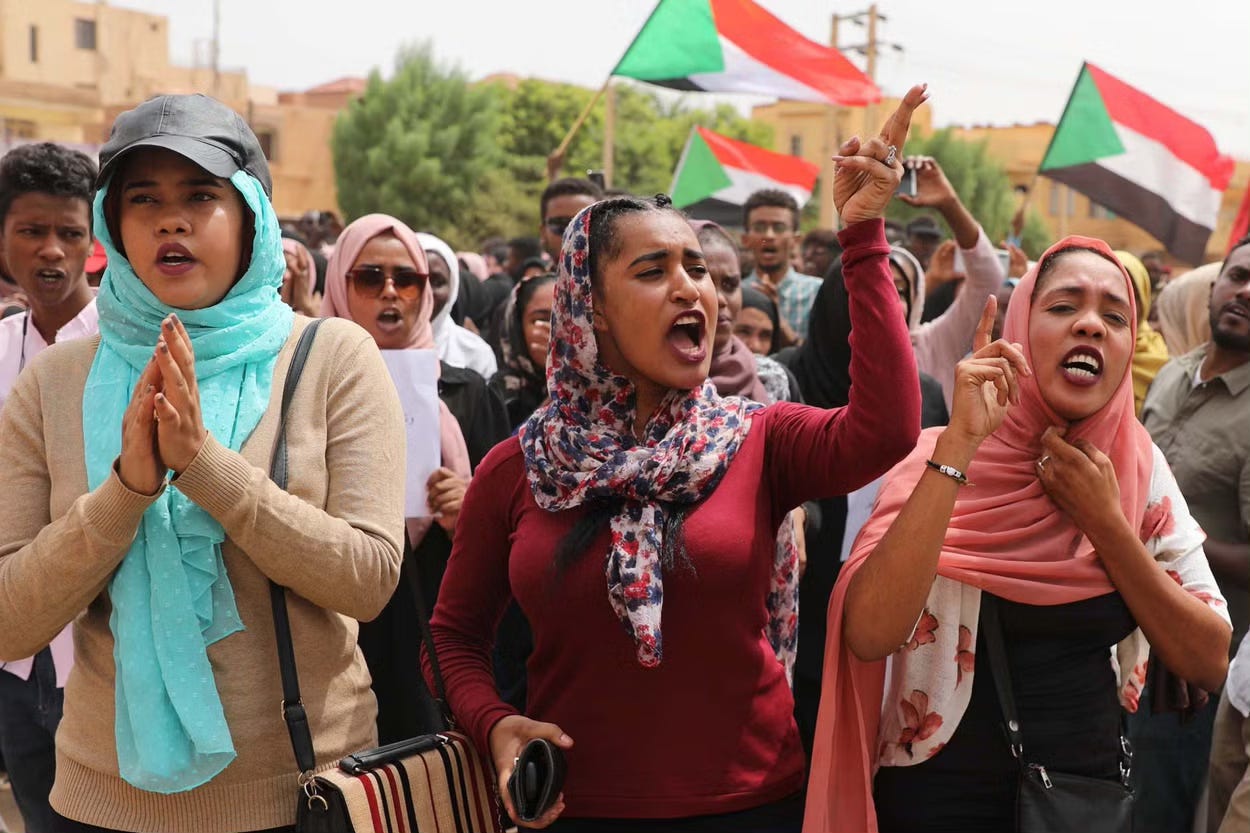
In December 2018, soaring living costs ignited protests across many Sudanese cities. What began as calls for economic reform soon evolved into demands for the resignation of Omar al-Bashir. The government answered peaceful demonstrations with violence, and by February 2019, al-Bashir declared a state of emergency in a desperate bid to hold on to power.
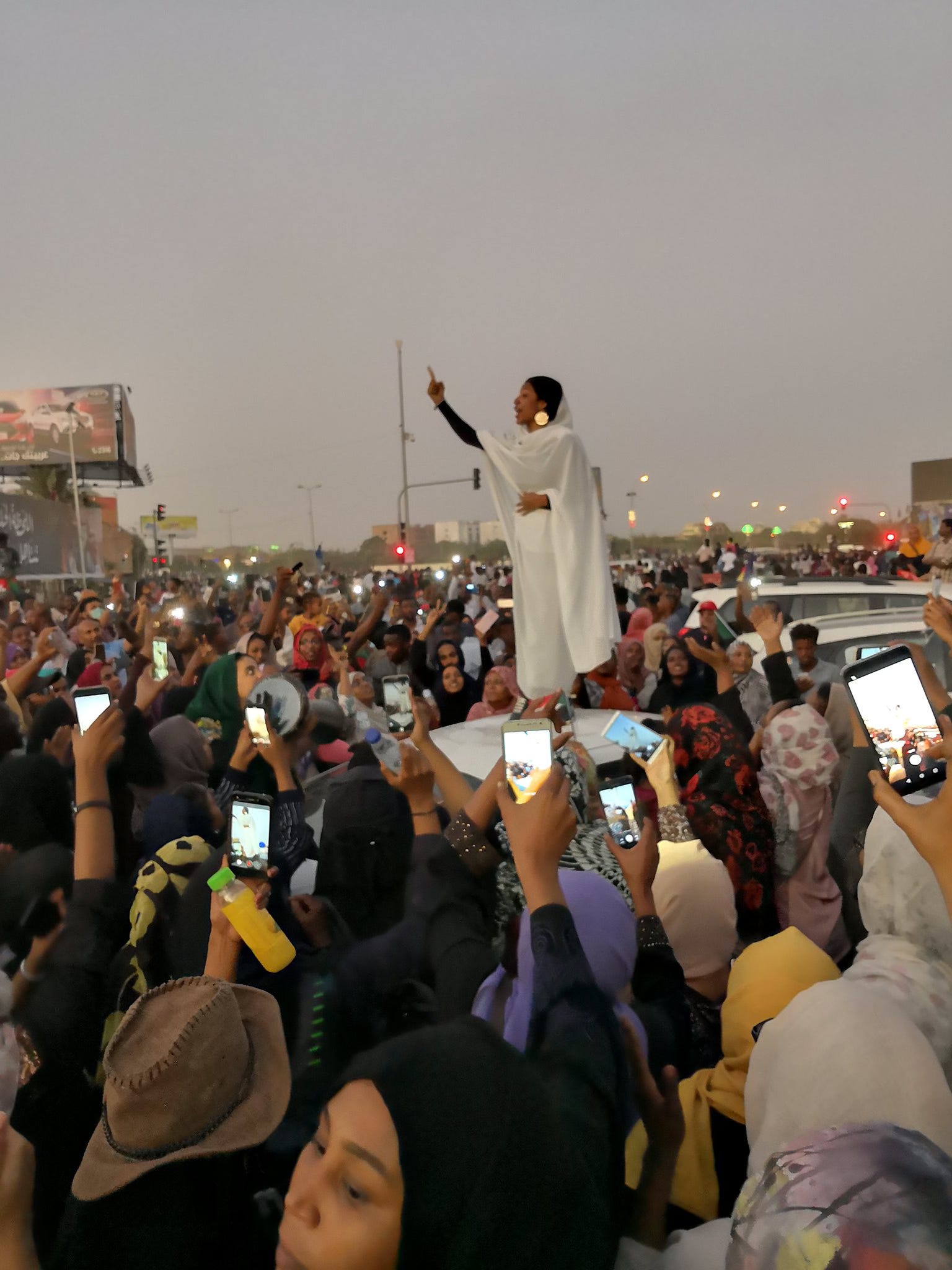
One young woman came to embody the uprising: 22-year-old Alaa Salah. In an image that would travel the world, she stood atop a car, draped in a white robe, one finger pointed skyward. In that moment, during the spring when everything seemed possible, she became the face of Sudan's democratization. The symbol of the young, most of them women, who led the protest movement that would culminate in the Sudanese revolution.
Al-Bashir had long relied on the military to keep him in power, but this time the army turned against him. A wave of demonstrations, capped by a week-long sit-in at military headquarters, led the country's armed forces to oust him. On April 11, 2019, al-Bashir was deposed and placed under house arrest.
However, the revolution's triumph was quickly snatched away. Rather than handing power to civilians, the army took control through the so-called Transitional Military Council (TMC). Protesters remained in the streets.
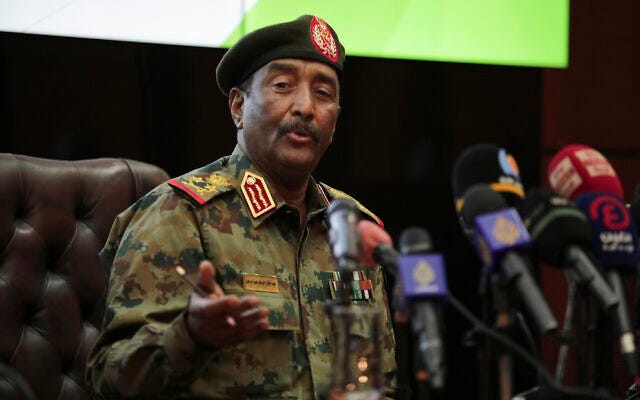
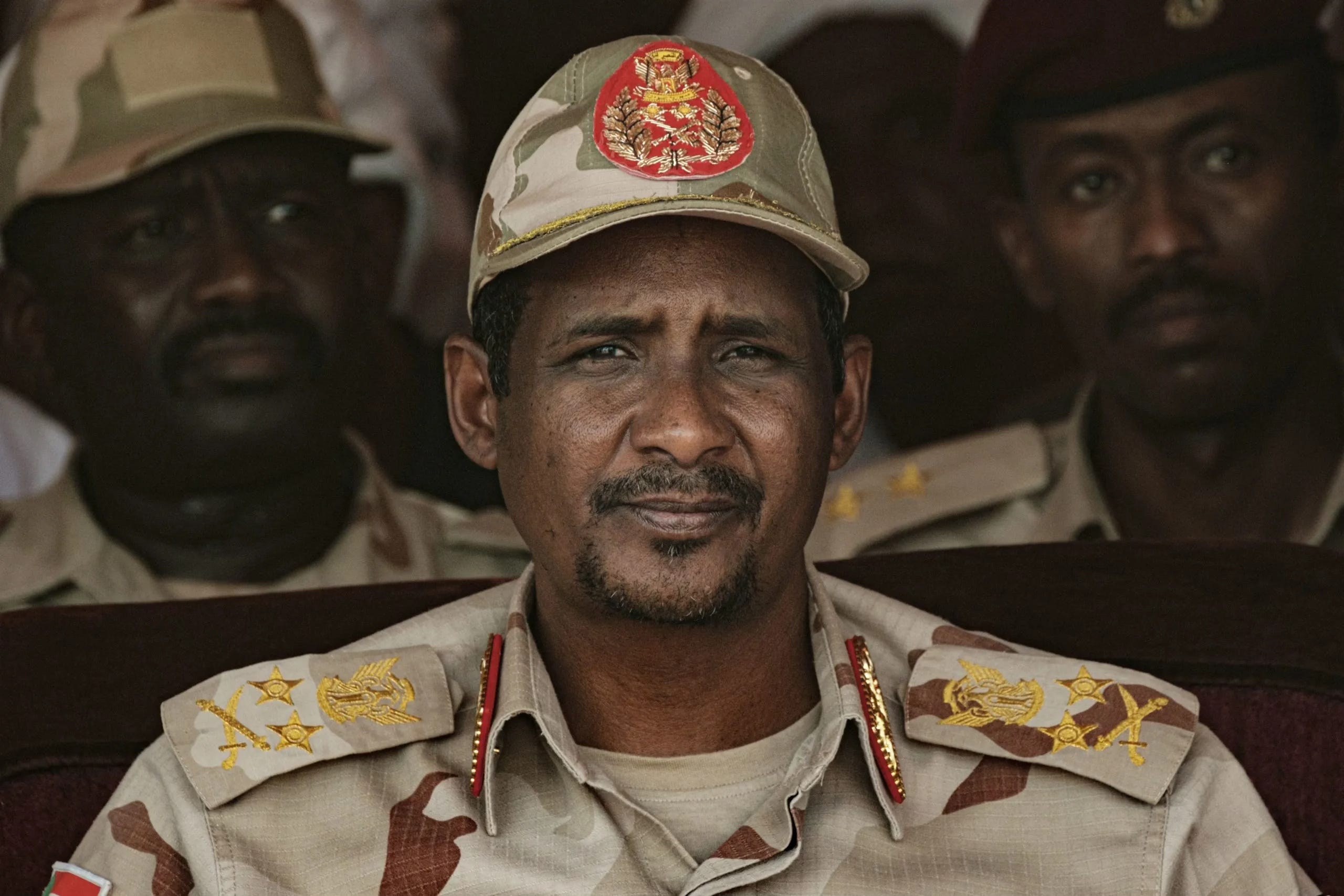
The TMC was officially led by Lieutenant General Abdel Fattah al-Burhan, but many Sudanese believed the real power lay with his deputy, Mohamed Hamdan Dagalo, better known as Hemedti.
A warlord with blood on his hands from Darfur, Hemedti commanded the Janjaweed militias, notorious for a myriad of war crimes. Rebranded in 2013 as the Rapid Support Forces (RSF), his paramilitary operated under al-Bashir's government but, after the revolution, became the muscle of the TMC. It was the RSF that spearheaded the brutal crackdown on demonstrators in June 2019, culminating in the Khartoum massacre.
With mediation by Ethiopia and the African Union, the military and civilian leaders struck a fragile power-sharing deal in July 2019. Shortly after, Abdalla Hamdok was appointed Prime Minister, and the plan was to hold democratic elections in 2022.
But a spiraling economic crisis, worsened by the Covid-19 pandemic, exposed bitter disagreements over how power should be divided and how the transition to civilian rule would proceed. By the fall of 2021, al-Burhan and Hemedti scrapped the experiment entirely, seizing power in another coup. Civilian leaders were arrested, Hamdok was placed under house arrest, and Sudan's democratic dream went up in smoke.
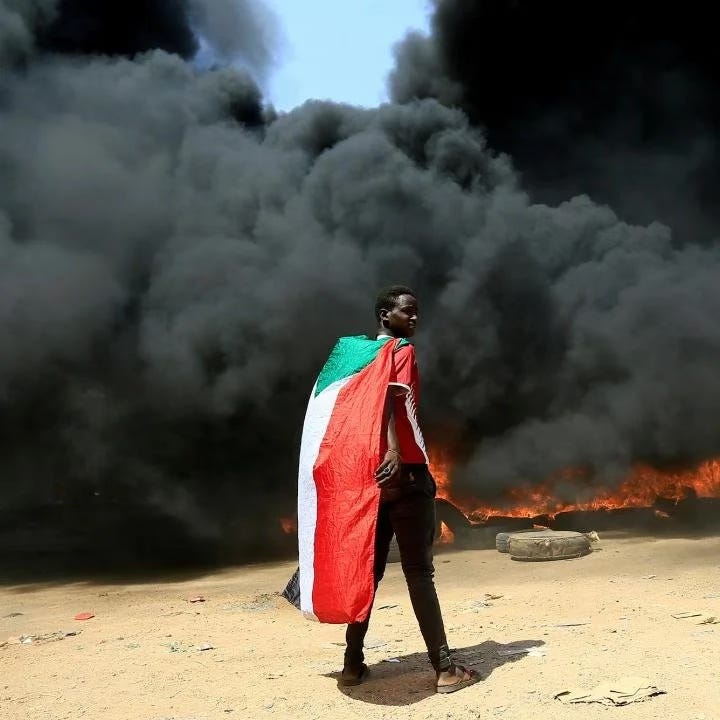
Protests erupted once more, but the military crushed them with force. In January 2022, Hamdok formally resigned. The coup drew condemnation from the UN, EU, and African Union, and in its wake, Sudan's economic emergency only deepened.
Al-Burhan remained as Sudan's de facto leader, yet Hemedti's influence was also formidable. His RSF had previously gained control of a significant share of Sudan's gold mines, wealth he funneled to foreign patrons. Shipments went to the United Arab Emirates and Russia's Wagner Group in exchange for weapons and political support. RSF fighters, meanwhile, sold their services as mercenaries in the Saudi-led coalition in Yemen's horrific civil war, cementing Hemedti's role as both warlord and international player.
Sudan's ongoing civil war
Despite years of cooperation, the alliance between General Abdel Fattah al-Burhan and Mohamed Hemedti quickly began to fray. They clashed over how much influence loyalists of former dictator Omar al-Bashir should retain and, crucially, on the timetable for when the RSF would formally become part of the Sudanese regular army (SAF).
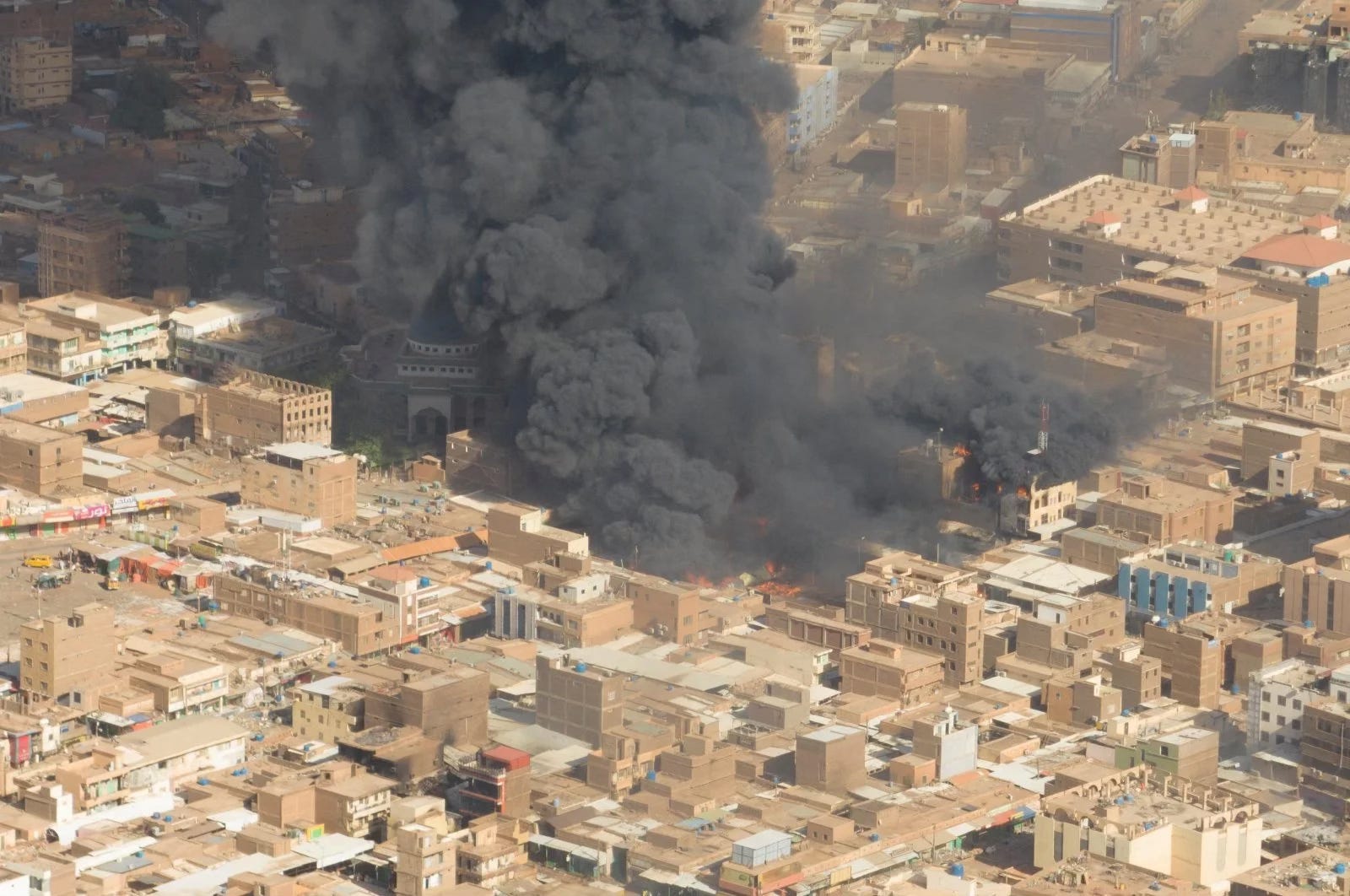
In April 2023, after months of rising tensions, RSF soldiers mobilized across the country. SAF troops ordered them to disperse, but they refused. A few days later, everything exploded. Days later, Khartoum was engulfed in explosions and heavy gunfire. The assault came so suddenly that civilians had no chance to seek safety. Within days, the violence spread nationwide.
Sudan had plunged into another civil war.
The speed and cruelty of the conflict were embodied in the fate of Khamis Abakar. Once a commander in the Sudanese Liberation Movement (SLM), which fought the Janjaweed militias in Darfur during the 2000s, Abakar had been elected governor of West Darfur by Prime Minister Abdalla Hamdok in 2020 as part of the post-revolution reforms.
In June 2023, RSF shelled several residential areas with artillery, killing scores of civilians. Abakar went on television to denounce the attacks. He named the RSF as perpetrators, warned of genocide, and pleaded for international help. Hours later, RSF fighters abducted him. He was tortured to death, and footage of his mutilated body being dragged behind a car and stoned was circulated online.
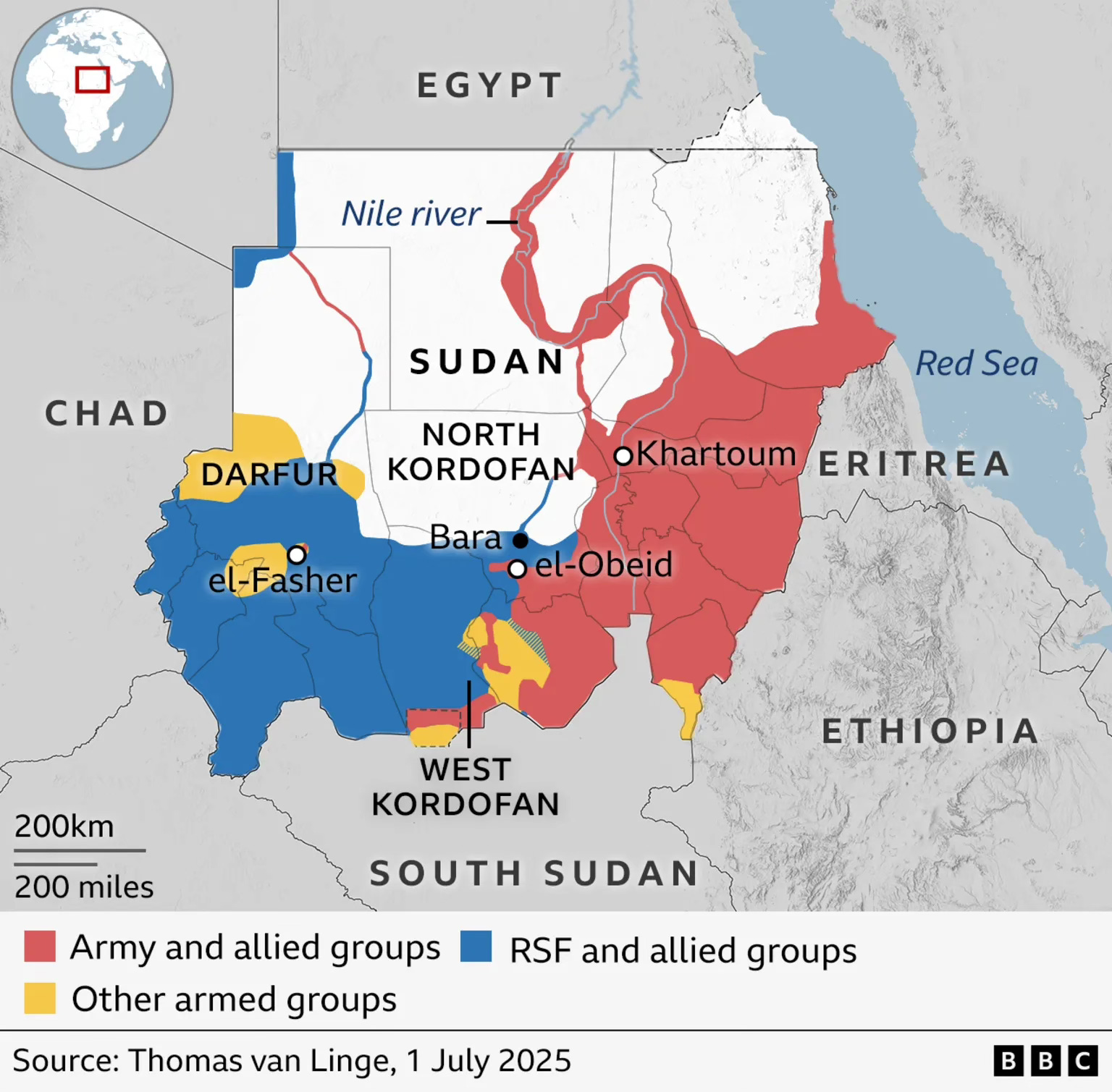
Dozens of militias have joined the fighting, but at the national level, the central conflict remains a struggle between al-Burhan's SAF and Hemedti's RSF – a deadly tug of war that is currently tearing the nation apart.
Foreign powers, from Russia and Iran to Egypt and Ethiopia, have made the situation even worse, their involvement primarily driven by the lure of Sudan's vast natural resources.
But none has been more influential than the United Arab Emirates, whose ambitions to dominate the region have grown steadily. For years, the Gulf state has sought control over Africa's gold. Estimates suggest that $35 billion worth of gold is smuggled out of the continent annually, with as much as 85 percent passing through the UAE, which then becomes an intermediary in trade with the rest of the world.
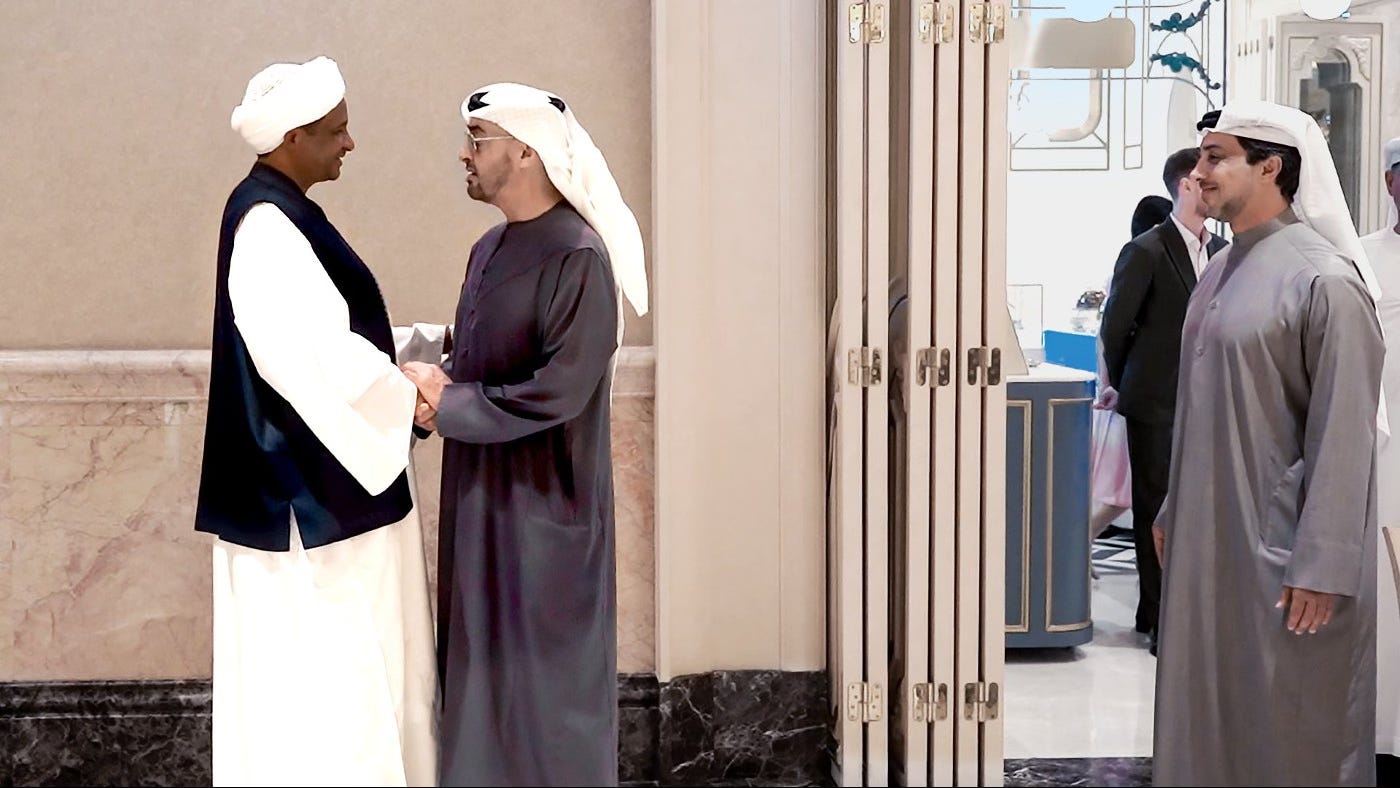
The RSF's seizure of Sudan's gold mines has cemented this relationship. By channeling money to Hemedti's forces, the UAE guarantees itself a steady supply of the mineral. Yet its support is not just financial. Reports indicate that the Emirates have facilitated arms deliveries as well. In September 2024, the New York Times revealed that an Emirati "aid center" had been used to smuggle weapons and operate drones. The country is therefore a direct reason why the war is so protracted, why the RSF can prey on so many.
No end in sight
As always, it is ordinary people who pay the highest price when power-hungry men and expansionist states collide. Sudan's humanitarian crisis is now among the worst in the world.
There is no "winner" in sight. Instead, the country teeters on the edge of partition – the regular army clinging to the east, the RSF tightening its grip on the west. On August 30, 2025, the BBC reported on a chilling new tactic: RSF forces are working to capture el-Fasher, the last government stronghold in western Sudan. Satellite images reveal what they have been constructing since May — a several-mile-long earthen wall encircling the city. The purpose is clear: to trap the one to two million civilians sheltering inside and physically cut off all supplies. The goal appears to be nothing less than turning el-Fasher into a massive kill zone.
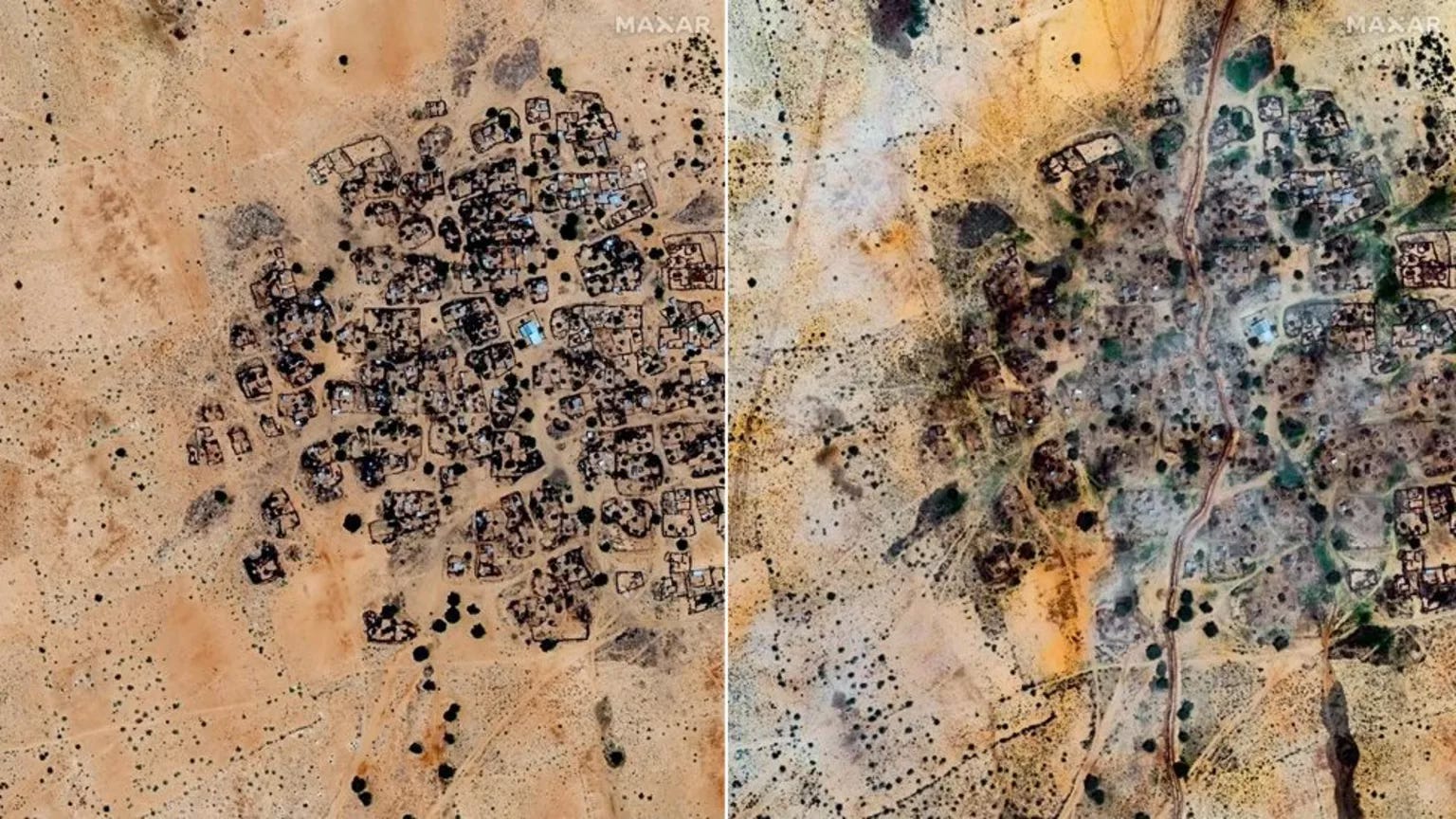
Across the country, civilians are being killed with shocking indifference. And sexual violence is rampant. According to the UN and Human Rights Watch, RSF fighters and allied militias are using rape as a tool of ethnic cleansing — forcing Black African women to bear "Arab children." The tactics echo those employed by the Janjaweed militias during the genocide in Darfur two decades ago.
The statistics are staggering. According to the UN, more than ten million people are displaced within Sudan, while four million more have fled to neighboring countries. Over thirty million require humanitarian aid, but barely thirteen million receive it. Some twenty-four million people are suffering from acute hunger.
Whenever I see the iconic photograph of Alaa Salah today, I think of what could have been. Her dream of a democratic Sudan is not yet entirely extinguished, but for it to survive, the international community must act. Countries like the United Arab Emirates, whose meddling has fueled and prolonged this war, must face real pressure. The courageous Sudanese civilians who risk their lives every day to help others desperately need global support.
Yet in recent years, the very institutions meant to uphold human rights – from the UN and the ICC to Amnesty International and Save the Children – have seen their authority eroded, particularly by Western powers. This weakening has often come as punishment for criticizing Israel's genocide in Gaza.
For the people of Sudan, the cost of that erosion may now be monumental.
Further reading:
Books:
The Secret War in the Sudan: 1955–1972 by Edgar O'Ballance (1976)
War and Slavery in Sudan by Jok Madut Jok (2001
The Root Causes of Sudan's Civil Wars: Peace Or Truce by Douglas H. Johnson (2003)
Sudan: Race, Religion and Violence by Jok Madut Jok (2007)
The State of Africa by Martin Meredith (2011)
South Sudan: From Revolution to Independence by Matthew LeRiche & Matthew Arnold (2012)
Breaking Sudan: The Search for Peace by Jok Madut Jok (2017)
Articles:
“Life of Shame of Amputees in The Sudan by Sheila Rule” for The New York Times (June 16, 1986)
”In Sudan, No Clear Difference Between Arab and African” by Somini Sengupta for The New York Times (October 4, 2004)
"Qur'an and AK-47: the 30-year rule of Sudan's Omar al-Bashir" by Jason Burke for The Guardian (April 11, 2019)
"Who are the major international actors involved in Sudan's violence?" by Ali Abbas Ahmadi for The New Arab (April 18, 2023)
”A journey across Sudan's capital Khartoum, a city transformed by war" by Khalid Abdelaziz for Reuters (April 24, 2023)
”Sudanese warring parties dig in as Jeddah talks falter again" by Khalid Abdelaziz and Nafisa Eltahir for Reuters (December 6, 2023)
”FN:s varning: Risk för världens största hungerkris i Sudan" by Emilia Lindell for DN (March 8, 2024),
"After a year of war in Sudan, what is the situation now?" by Areesha Lodhi for al-Jazeera (April 11, 2024)
”One Year of War in Sudan: How Two Rival Generals Wrecked Their Country" by Abdi Latif Dahir and Declan Walsch for The New York Times (May 15, 2024)
”EU expected to impose sanctions on six Sudanese military figures fuelling war" by Jennifer Rankin for The Guardian (June 5, 2024)
"Villagers flee in terror as 150 reportedly killed in Sudan rebel attack" by Mohammed Tawfeeq and Hamdi Alkhshali for CNN (June 6, 2024)
"Barrier being built around besieged Sudan city, satellite images show" by Anne Soy for BBC (August 30, 2025)
"Världens värsta kris – människor tvingas äta djurfoder för att överleva" av Erik Esbjörnsson and Saeed Alnahhal for DN (September 2, 2025)
"Milis isolerar svältande i Sudan – bygger mur runt staden" by Erik Esbjörnsson for DN (September 2, 2025)
Other:
”Civil War in Sudan" by Center for Preventive Action (April 19, 2024).