


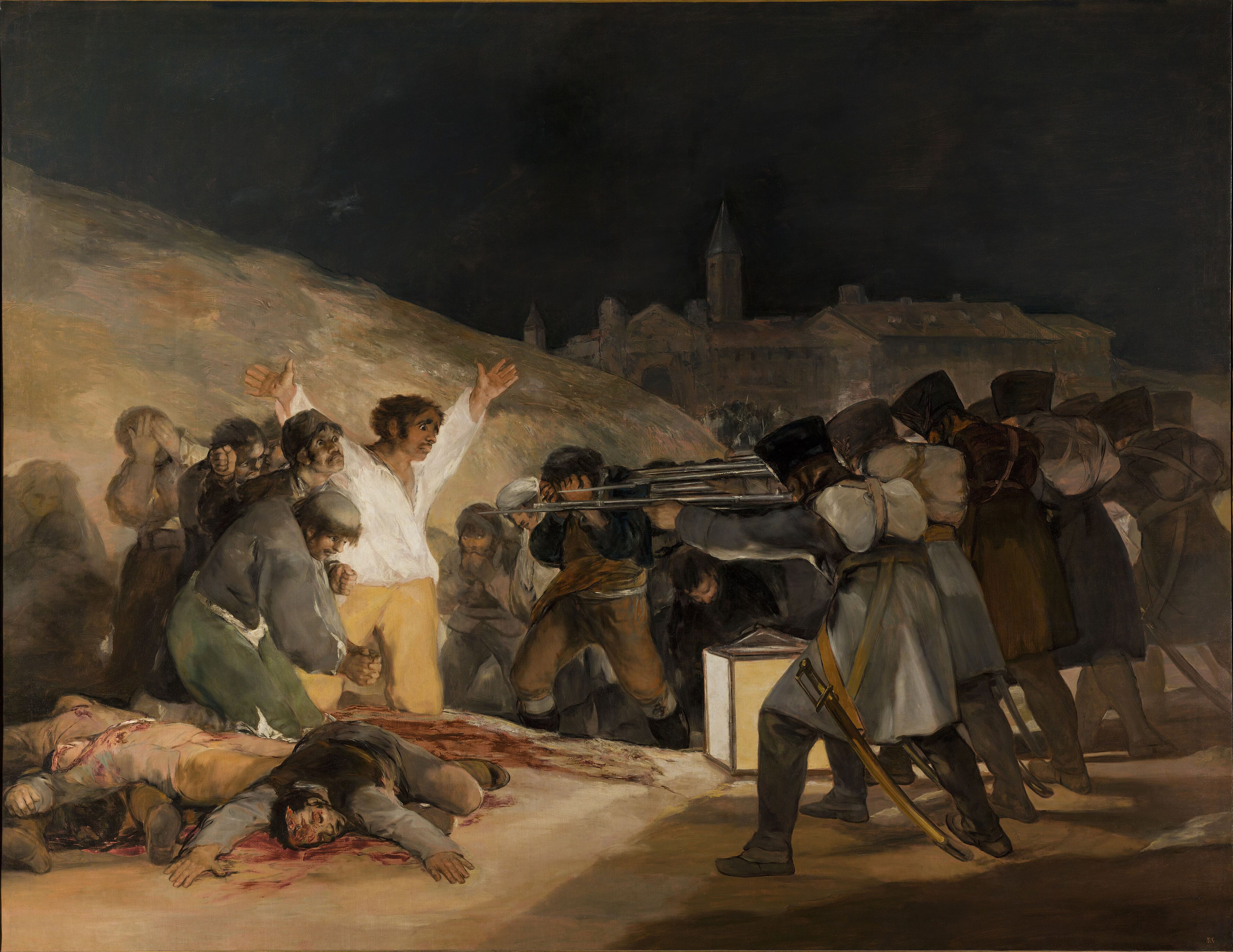
In 1808, Spain was occupied by Napoleon’s French troops, an event whose consequences extended far beyond Europe. In the colony of New Spain, which included what is now Mexico, ideas of greater self-rule had circulated for a long time. But when the Spanish crown was weakened by the French offensive, parts of the colony shifted from demands for reform to open rebellion.
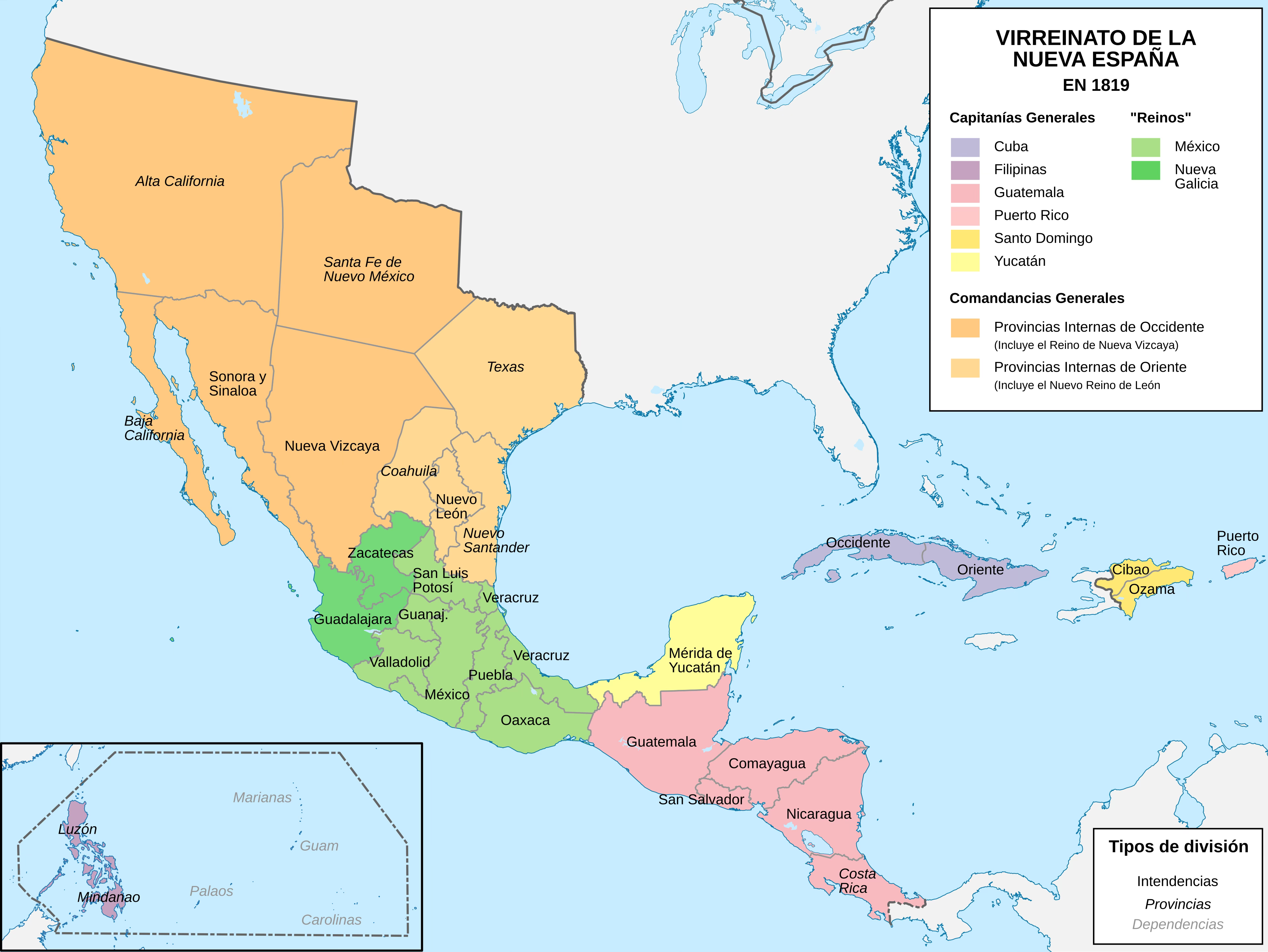
Two years later, the Mexican War of Independence began under the leadership of the Catholic priest Miguel Hidalgo. The uprising was brutally suppressed by colonial authorities, and Hidalgo was captured and executed the following year. But the struggle did not end with him. Each time the Spanish believed they had crushed the revolt, new leaders emerged.
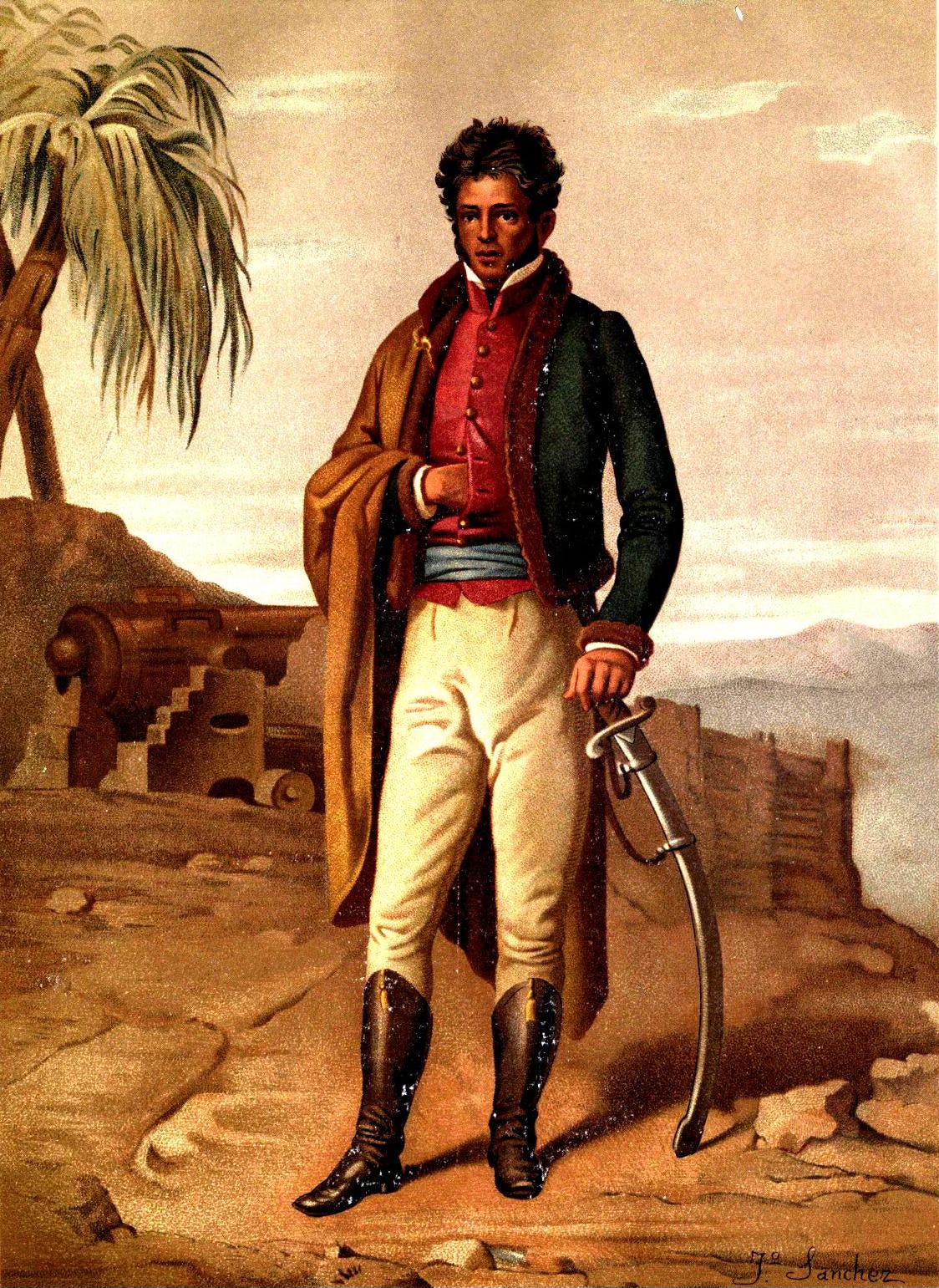
One of them was Vicente Guerrero. He was born in Tixtla and is believed to have had both African and Indigenous ancestry. Before joining the rebellion, he made a living as an arriero, a transporter of goods using mules, a profession that gave him deep knowledge of the region’s geography. Guerrero distinguished himself early in the war and would eventually become one of the insurgency movement’s most central figures.
Slavery had existed in New Spain since the beginning of the colonial period and continued to play a role in certain sectors, but by the early nineteenth century, it was less widespread than in many other parts of the Americas.
Although those who remained enslaved were subjected to brutality and oppression, slavery in New Spain was not as rigidly institutionalized as in the United States. This made so-called “mixed marriages” more common and allowed some enslaved people to purchase their freedom. People of African descent, both free and enslaved, formed an important part of the population.
Colonial society was structured by a complex caste system that categorized individuals by ancestry. In the eighteenth century, so-called casta paintings became popular: artworks depicting an idealized system of racial mixtures, often organized into 16 categories.
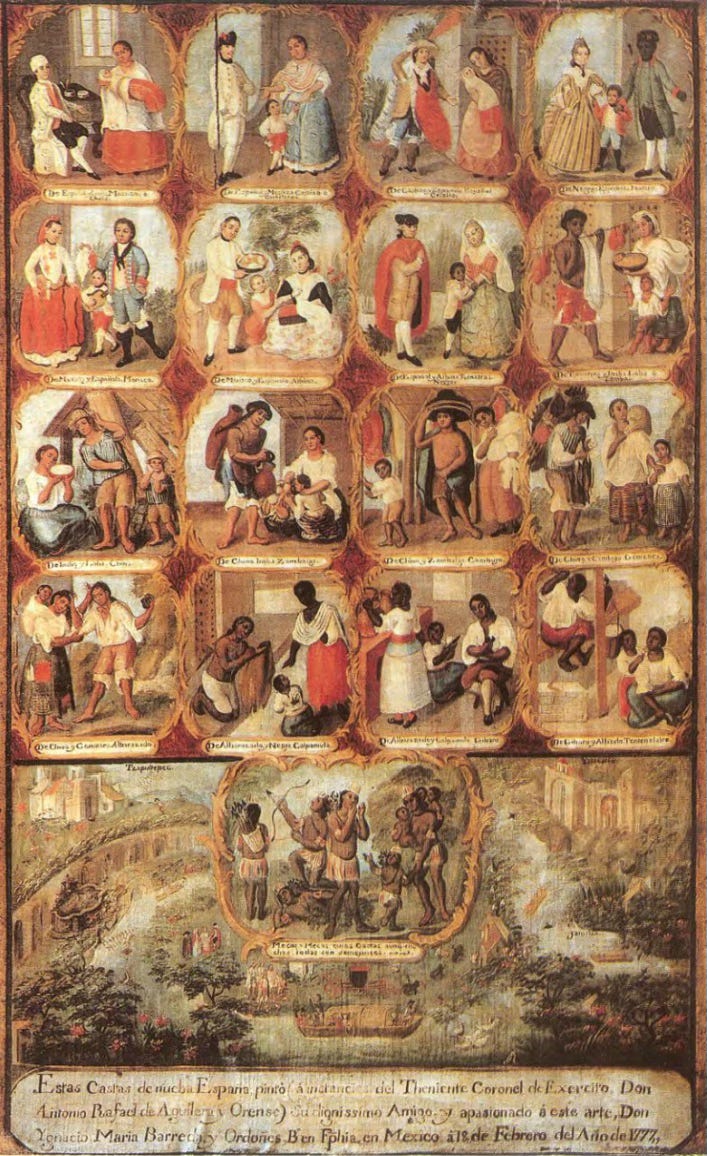
These included, for example, mestizo (Spanish and Indigenous ancestry), mulato (Spanish and African ancestry), and zambo (African and Indigenous ancestry). As in many other parts of the world, people of African descent were placed at the bottom of the hierarchy, while those of European background occupied the top.
During the war, Guerrero was initially open to compromises that would grant the colony greater autonomy within the Spanish Empire. But developments in Spain altered his position. When Spain adopted a new constitution in 1812, it formally granted citizenship to large segments of the empire’s free population, yet in practice, many people of African descent were excluded from full political rights. For Guerrero, this was a decisive signal: true freedom required full independence.
By 1821, the war had dragged on for over a decade, exhausting both sides. At a critical moment, Guerrero succeeded in bringing over the royalist general Agustín de Iturbide – leader of the Spanish crown’s forces – to the independence cause. Together, they agreed on a shared vision for a new Mexico.
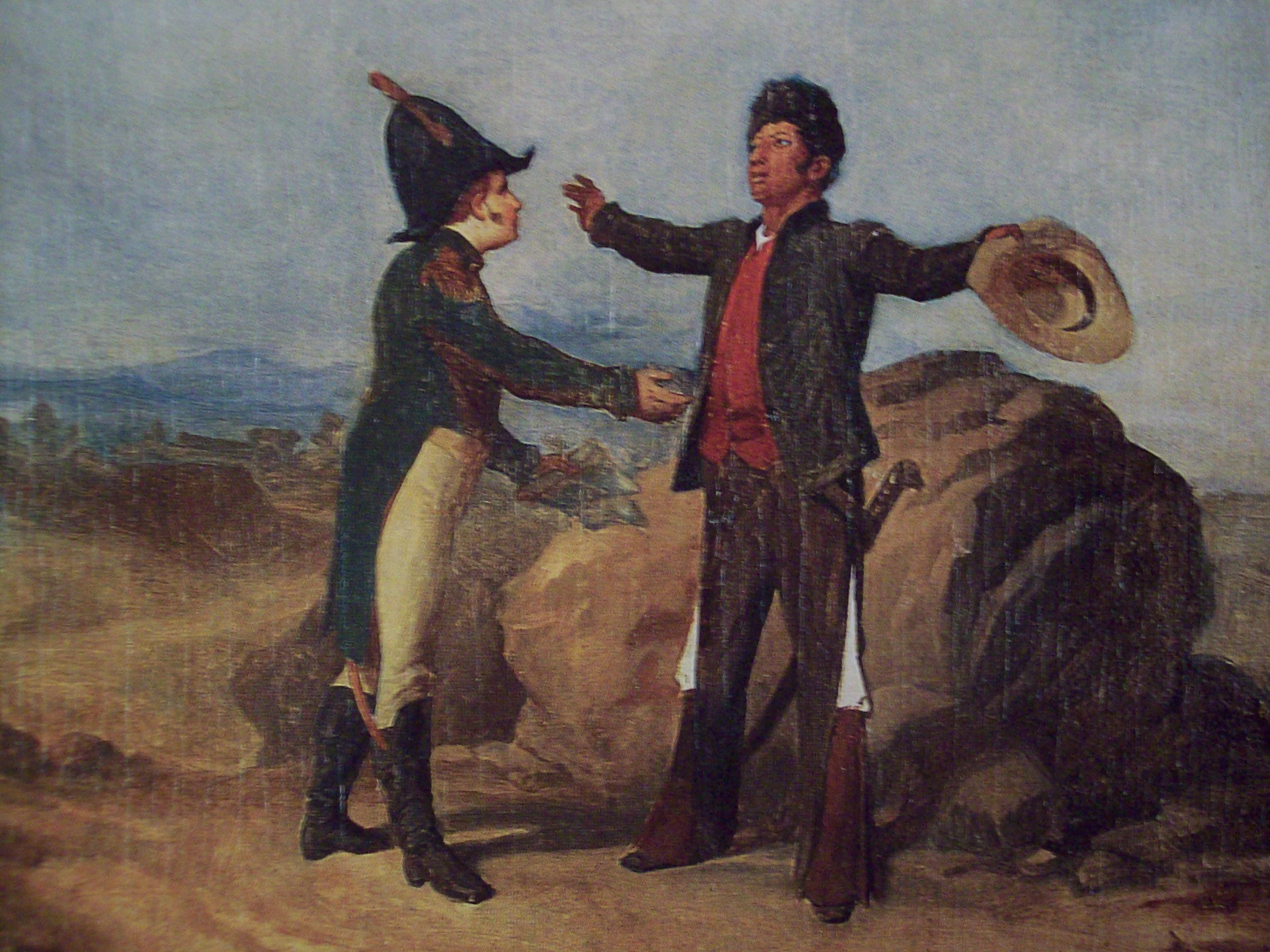
With most of the population on the rebels’ side and Spanish forces demoralized after prolonged fighting, Spain ultimately lost its grip on the colony. In September of that year, Mexico declared its independence.
In the summer of 1822, Iturbide was crowned emperor of the newly formed Mexican Empire. But tensions between Iturbide and the political elite – largely centered on the balance of power between him and Congress – quickly became apparent. After a period of conflict and political instability, he was forced to abdicate in 1823. A provisional government took over, and shortly thereafter, Mexico was declared a republic, with General Guadalupe Victoria as its first president.
Guerrero’s status as a war hero and champion of independence made him a natural political leader, but in the presidential election of 1828, he was formally defeated by General Manuel Gómez Pedraza.
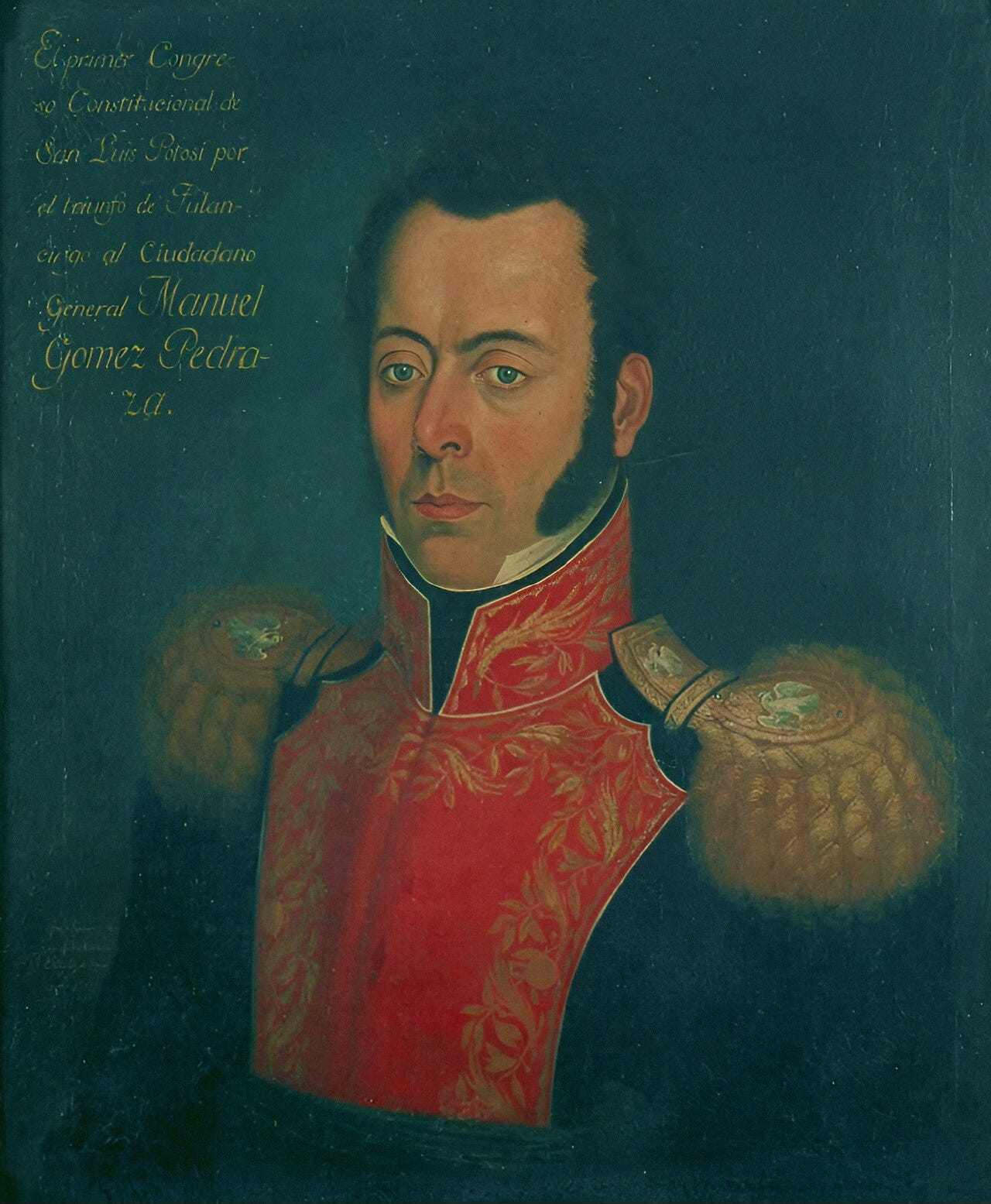
The result was contested and led to an uprising that forced Pedraza into exile. This paved the way for Guerrero to assume the presidency on April 1, 1829. He thus became, as far as historians have been able to determine, the first head of state in the Americas with roots in both the Indigenous peoples of the continent and the African diaspora – something that provoked resistance among segments of the conservative elite.
As president, Guerrero positioned himself as a defender of the country’s poor and marginalized. In September 1829, he made a historic decision: he abolished slavery in Mexico.
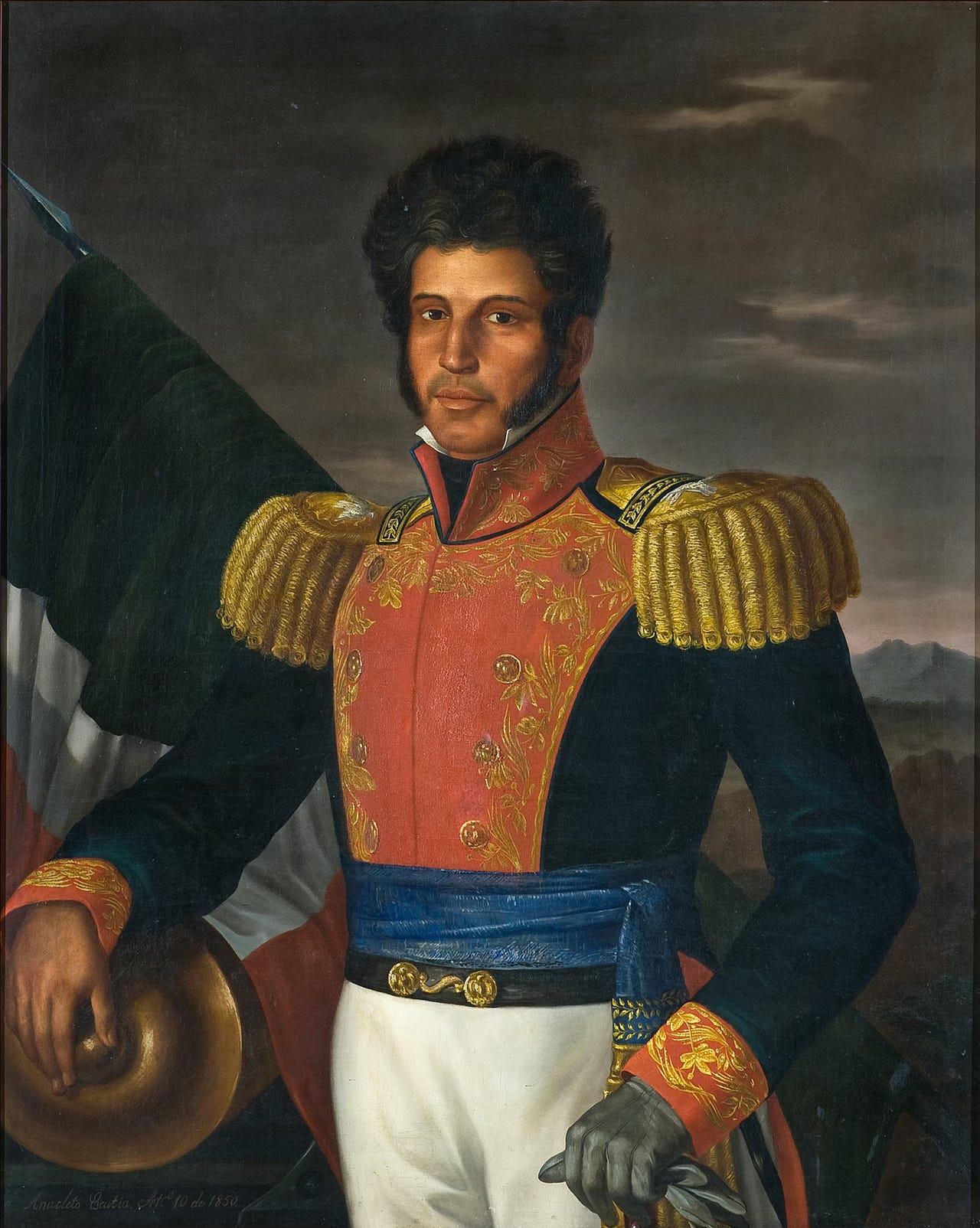
The reform was revolutionary, but it also intensified existing conflicts – particularly in Texas, then still part of Mexico, where many incoming American settlers were slaveholders and opposed the policies of the Mexican state.
The abolition of slavery was one of several factors contributing to rising tensions in the region. These tensions culminated a few years later in the Texas Revolution of 1835–1836, when the territory broke away from Mexico, and in 1845, it was annexed by the United States.
Guerrero left a mark, but his time in power was short. His progressive reforms, combined with the way he had come to power, increased the threats against him. Just three months after the abolition of slavery, his conservative vice president, Anastasio Bustamante, launched a rebellion.
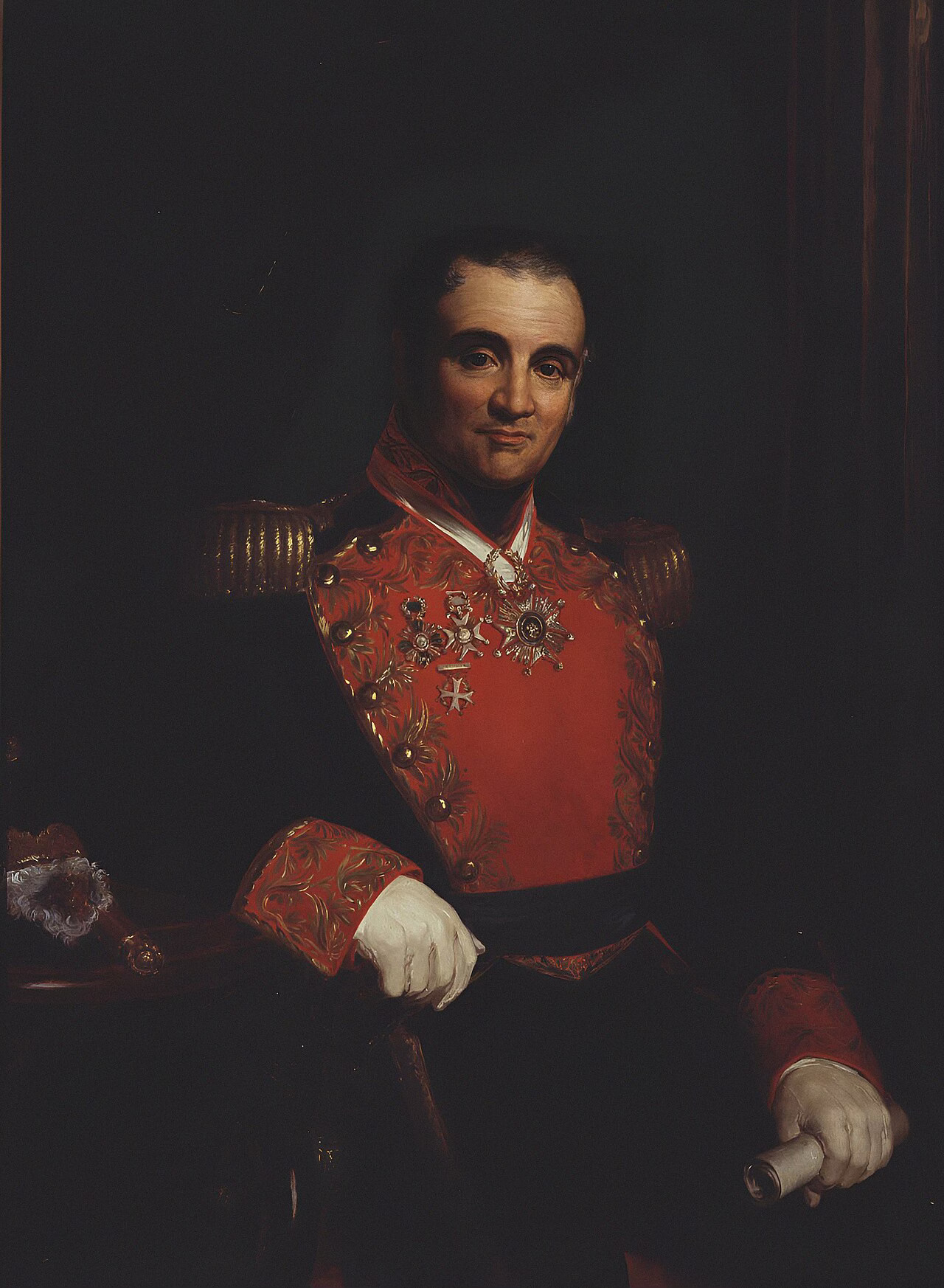
Guerrero was drawn into a chaotic guerrilla war. His forces won a number of key battles, but he ultimately fell victim to betrayal. In January 1831, the Italian sea captain Francisco Picaluga, from the city-state of Genoa in present-day Italy, welcomed Guerrero aboard his ship. But instead of the promised dinner, Guerrero was captured and handed over to his enemies.
Unlike other deposed leaders, Guerrero was offered neither exile nor the opportunity to abdicate. He was executed in February 1831. Some historians have argued that his class background and mixed heritage played a role, and that his execution may have been intended as a warning to discourage those from “lower” backgrounds from aspiring to power.
Today, Vicente Guerrero is regarded as a Mexican national hero. The state of Guerrero bears his name, and his contributions to independence and the struggle for equality have secured him a central place in the country’s history.
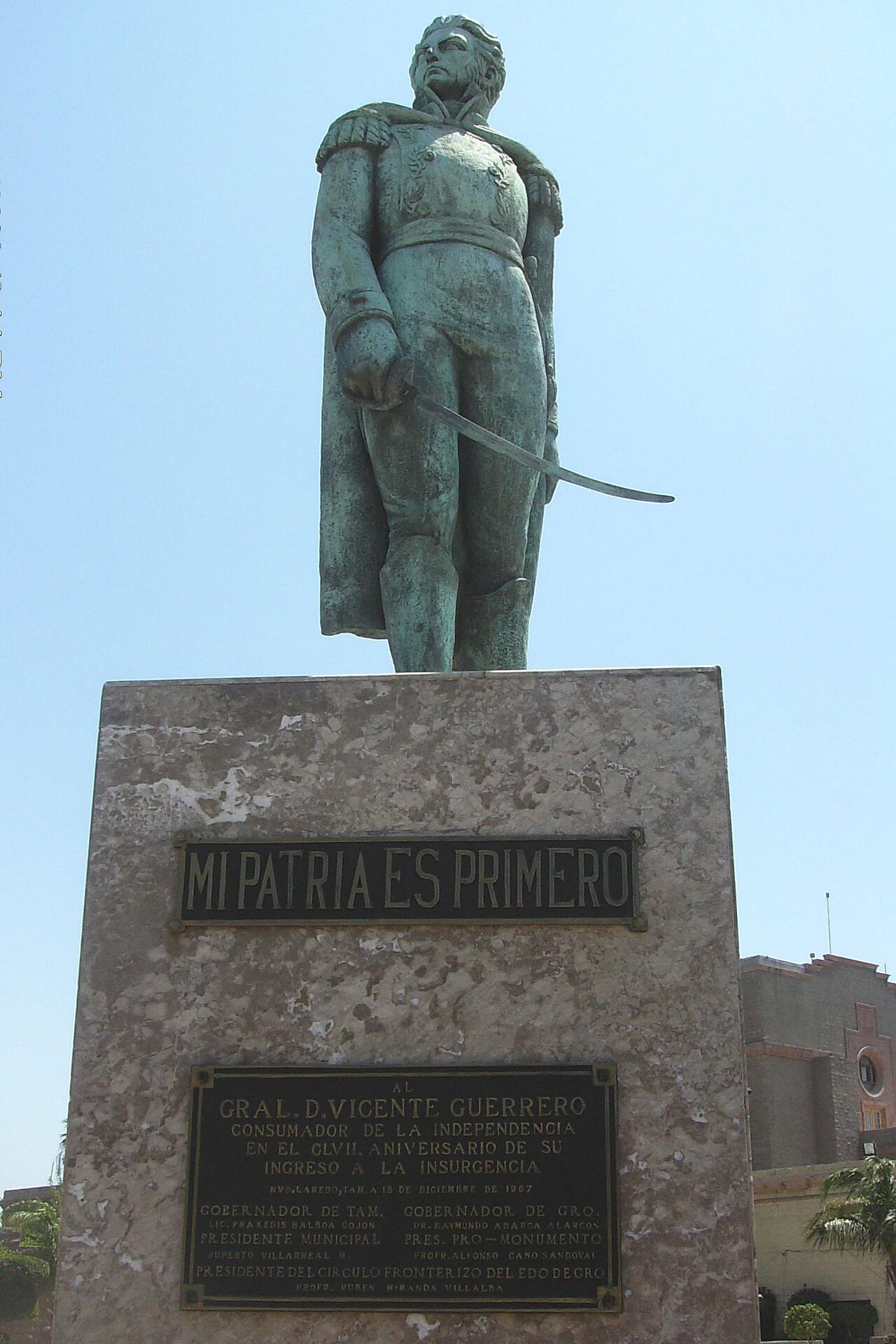
Mexico’s independence transformed its political status, yet recognition of who fully belonged to the nation came much later. It was not until 1992 that the country was officially defined as a multicultural nation rooted in Indigenous, European, and African traditions.
When the national statistics agency began including questions about Afro-descendants in 2015, it marked the first time many Mexicans were given the opportunity to identify as Afro-Mexican. In the 2020 census, the category was fully implemented, and when the results were published the following year, around 2.5 million people identified as Afro-Mexican.
Further reading:
Books:
The Mexican Republic: The First Decade, 1823–1832 by Stanley Green (1987)
La Revolución: Mexico’s Great Revolution as Memory, Myth, and History by Thomas Benjamin (2000)
The Legacy of Vicente Guerrero, Mexico’s First Black Indian President by Theodore Vincent (2001)
Scholarly articles:
”The Contributions of Mexico’s First Black Indian President, Vicente Guerrero” by Theodore G. Vincent in The Journal of Negro History (vol. 86, nr 2, 2001)
Articles:
”Mexico ’discovers’ 1.4 million black Mexicans — they just had to ask” by Rafa Fernandez De Castro for Fusion (December 15, 2015)
”We exist. We’re here’: Afro-Mexicans make the census after long struggle for recognition” by David Agren for The Guardian (March 19, 2020)
Thank you so sharing. As with Africans and Native Americans Africans and Mexicans have a long, cooperative history. It is my desire to revisit some of the history starting with the Olmec connection.